About The King of Kings
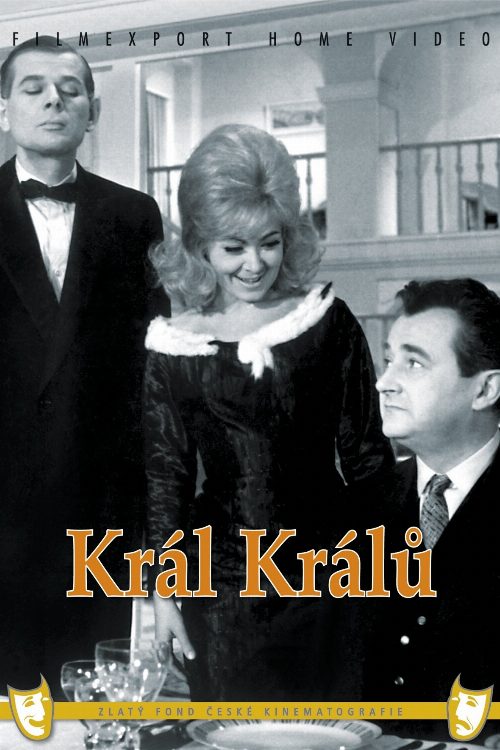
During his work assignment in Tamani Kingdom, Czech worker Lojza saves a local man from dying in the desert. Two years later, it turns out the saved man was also the Taman king; and he has decided to name Lojza, a communist, his royal heir.
Martin Fric delivers a fascinating piece of mid-century satire with The King of Kings, a film that feels particularly sharp when viewed through the lens of modern global cinema enthusiasts who appreciate the clash of ideologies. While Indian audiences are currently accustomed to the grand, high-stakes political dramas often found in the Telugu or Hindi industries, this Czech comedy offers a more whimsical, yet equally pointed, exploration of power dynamics. The narrative centers on a working-class protagonist whose life is upended by a bizarre twist of fate, transforming his mundane existence into a complex exercise in international diplomacy. It is a rare example of a socialist-era production using humor to bridge the vast cultural divide between a European worker and an exoticized monarchy, creating a premise that remains intriguing for its sheer absurdity and historical curiosity.
The film stands out for its clever subversion of the typical hero narrative, moving away from the gravity of epic storytelling to focus on the comedic fallout of an unlikely succession. For viewers who enjoy the character-driven wit found in Malayalam cinema or the satirical social commentary often embedded in contemporary Tamil satirical hits, this film offers a similar pleasure. It functions as a time capsule, capturing a specific era where the cold reality of communist ideology was playfully tested against the opulent, traditional structure of a faraway kingdom. The charm of the production lies in how it frames the protagonist not as a grand savior, but as an bewildered everyman thrust into a role that contradicts everything he understands about the world.
Fans of international classics and those interested in how different cultures depict the concept of royalty will find much to admire here. The casting of Milos Kopecky adds a layer of seasoned theatricality that elevates the lighter moments, ensuring that the comedy feels grounded despite the outlandish scenario. Whether one is a student of global film history or simply looking for an unconventional narrative that defies the standard tropes of the sixties, The King of Kings serves as a refreshing departure from the norm. It remains a compelling watch for those who appreciate cinema that balances lighthearted mischief with a genuine curiosity about how different societies view the concept of leadership and the fickle nature of fortune.
Cast(44)