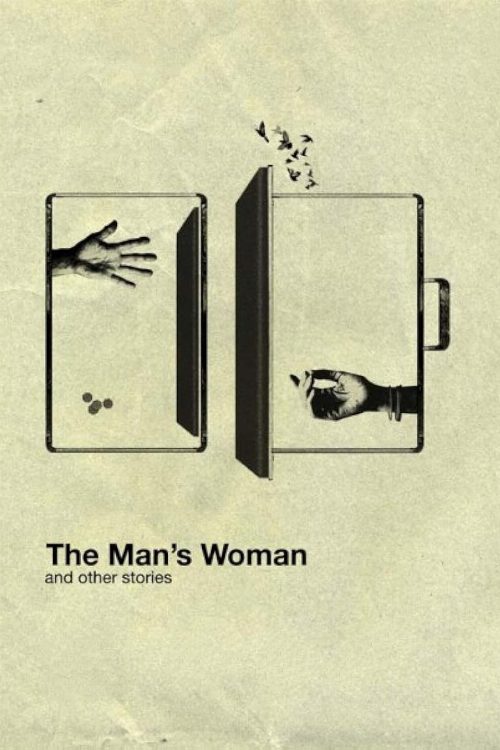
The Man's Woman and Other Stories(2009)
About The Man's Woman and Other Stories
A series of three episodes which explore the relationship between men, women and the physical and mental spaces they inhabit.
The Man's Woman and Other Stories arrives as a fascinating relic from the 2009 Hindi independent circuit, offering a meditative look at gender dynamics long before the current wave of anthology storytelling dominated streaming platforms. By weaving together three distinct narratives, the film avoids the trap of a single cohesive plot, instead opting for a thematic exploration of the friction between internal desires and external societal expectations. It serves as a reminder of a period in Indian cinema where experimental narratives were finding their footing outside the rigid confines of mainstream commercial formulas. The film prioritizes atmosphere and character-driven tension over high-octane drama, creating a viewing experience that feels more like a collection of literary short stories than a traditional feature.
Set against the backdrop of changing urban and domestic landscapes, the film examines how individuals navigate the boundaries of their personal lives. Each segment functions as a mirror, reflecting the nuances of communication, or the frequent lack thereof, between partners. For viewers who appreciate the slow-burn psychological dramas often found in global festival circuits, this work provides a compelling look at the complexities of human intimacy. It is particularly striking how the director utilizes physical environments to mirror the claustrophobia or the vast emotional distances felt by the protagonists. The cast, including Bramhaswaroop Mishra and Nitin Goel, brings a grounded, naturalistic quality to their performances, which helps anchor the abstract nature of the script into something deeply relatable.
This anthology is a must-watch for cinephiles interested in the evolution of Hindi drama, especially those who enjoy stories that leave room for ambiguity and audience interpretation. While it does not rely on the star power typical of its era, its strength lies in its commitment to a singular vision of human connection and the silent battles fought within relationships. It sits comfortably alongside other introspective independent films from that decade, showcasing a willingness to challenge the audience with quiet observation rather than explosive reveals. Whether you are a fan of the anthology format or simply curious about the precursors to modern Indian indie cinema, this project offers a thoughtful, low-key journey into the complexities of the human condition that remains relevant for its honest portrayal of the spaces we share with one another.
Cast(8)