About Vieillir et jouir sans entraves
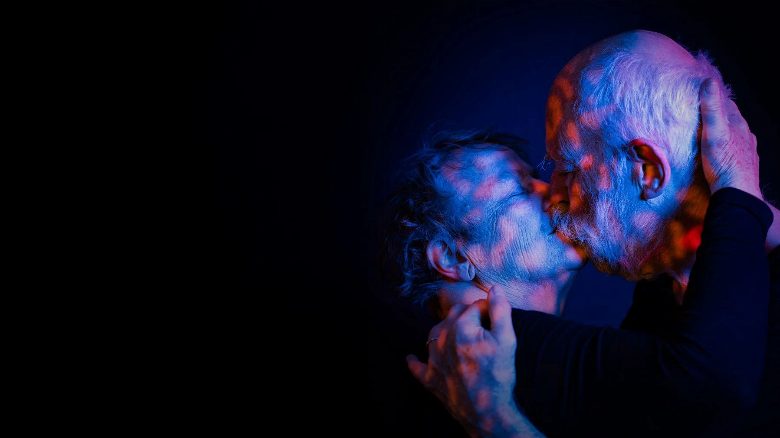
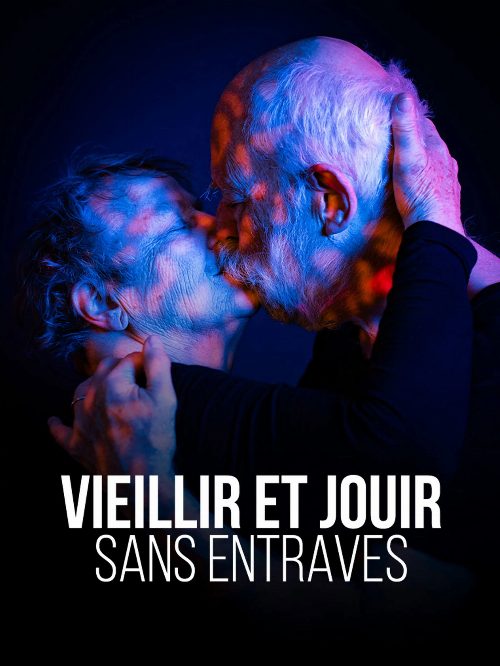
One of society’s last taboos is elderly desire, which remains strong for many: half of older adults remain sexual. Advances in medicine and lifestyle mean people in their 70s, 80s, or 90s can still explore and enjoy intimacy. Yet society often ignores this—aged bodies are deemed unattractive, and sexual desire beyond tenderness is stigmatized, sometimes leading to mistreatment in care homes where couples are separated. The documentary Vieillir et jouir sans entraves confronts this taboo. Featuring celebrities and real-life couples—including Francine and Marc (60 years together) and gay couple Jean-Marc and Alain (34 years together)—it explores aging bodies, love, sexuality, and the challenges of libido and illness. The film highlights initiatives supporting sexual expression for older adults, including LGBT-friendly housing and sex-positive care, urging society to rethink its view of aging intimacy.
Contemporary French cinema has long been celebrated for its intellectual rigor and its willingness to confront the uncomfortable corners of the human experience, and Dominique Thiéry takes this tradition to a bold new level with his latest documentary. By placing the spotlight on the intersection of late-life intimacy and societal prejudice, the film dismantles the pervasive myth that passion is a domain reserved exclusively for the young. It is a refreshing departure from standard portrayals of the golden years, which frequently prioritize themes of infirmity or domestic stasis over the vibrant, enduring realities of physical and emotional desire. For an audience accustomed to seeing aging through a lens of decline, this project serves as a necessary provocation, demanding that we acknowledge the continued vitality of those entering their eighth and ninth decades.
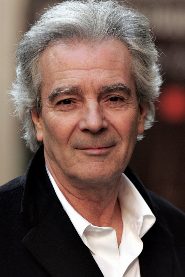
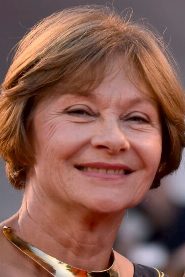
The film relies on a compelling blend of cultural commentary and intimate personal testimonies to make its case. By gathering a group of notable public figures alongside everyday couples who have shared decades of history, Thiéry creates a space where the mechanics of aging are discussed with both vulnerability and defiance. The narrative arc moves beyond simple biography to interrogate the structural failures of modern systems, particularly within institutional care, where the basic human right to affection is often suppressed by outdated moral frameworks. For viewers who have followed the careers of actors like Pierre Arditi or Macha Méril, seeing them engage with these heavy, nuanced subjects provides a layer of gravitas that grounds the film in a recognizable, human reality. It is a profound exploration of how dignity and desire are not mutually exclusive, even as the body undergoes inevitable transformations.
This documentary is perfectly positioned for audiences who appreciate the thoughtful, character-driven storytelling often found in European independent cinema. It operates as a vital counter-narrative to the ageist tropes that saturate global media, including the vibrant film industries of India where aging stars are often relegated to parental roles rather than being treated as complex, desiring individuals. While the subject matter is undeniably sensitive, the film remains accessible and deeply empathetic, likely appealing to anyone interested in sociology, human rights, or the evolving definitions of love. By advocating for a more inclusive understanding of sexual expression, Thiéry does more than just document a lifestyle; he challenges the viewer to re-examine their own biases regarding the limitations of the human heart and the persistence of the spirit long after the traditional mandates of youth have faded away.
Cast(6)

Crew
Director
Producer
Similar Films