
About Wild Sing
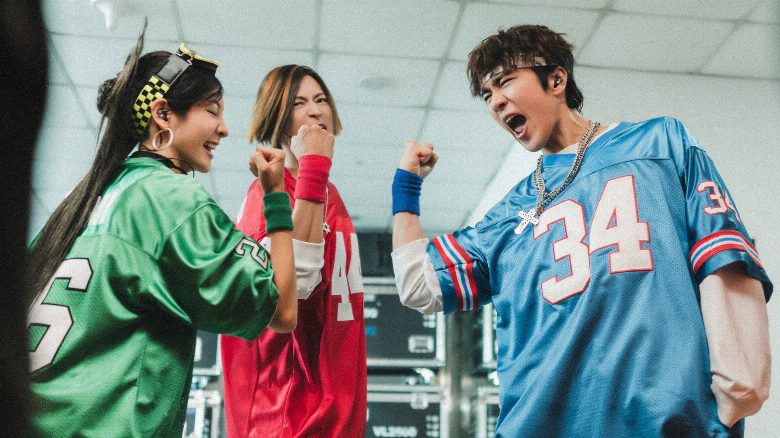
"Triangle," a three-member co-ed K-pop group that once dominated the music scene, disbanded overnight after being caught up in an unexpected scandal. Twenty years later, leader Hyunwoo receives an offer to perform on stage as "Triangle" for a chance to make a comeback and sets out to find the other members and seize the opportunity. "Even if war breaks out, we're going on stage today no matter what!" Hyunwoo, who is now a struggling TV personality, Domi, who is married into a rich family, and Sanggu, who is drowning in debt from his solo album releases, somehow reunite and head to the concert hall. But the situation spirals out of control when YGP, the CEO of their former agency with whom they share a bitter history, and Seonggon, the "Prince of Ballad" and former rival of "Triangle," also appear…
The landscape of South Korean cinema has long thrived on the intersection of high stakes and musical nostalgia, and Wild Sing looks set to capture that energy with a chaotic, comedic twist. By centering on the messy, overdue reunion of a defunct K-pop trio, the film taps into the global fascination with the idol industry while grounding its narrative in the grit of middle-aged reality. Director Son Jae-gon, known for his sharp sense of irony, seems perfectly suited to navigate the friction between these characters as they attempt to reclaim their vanished youth. Rather than opting for a polished, sentimental comeback story, the film leans into the absurdity of the situation, showcasing a trio of protagonists who are clearly unprepared for the spotlight after two decades of estrangement and personal baggage.
The strength of this project lies in its eclectic ensemble cast, which blends comedic timing with a genuine sense of weariness. Watching these performers inhabit roles that require them to juggle past fame with current desperation offers a poignant commentary on the fleeting nature of stardom. Fans of the recent wave of Korean dramedies that explore the lives of industry veterans will find a lot to appreciate here. It is particularly interesting to see how the film frames the antagonism from their former agency head and a rival performer, turning a simple reunion into a high-pressure farce. This dynamic suggests a cinematic experience that is as much about the ego-driven battles of the music business as it is about the camaraderie that survives even the most embarrassing public failures.
Viewers who enjoy character-driven stories where the stakes feel both monumental and hilariously trivial will likely find this a standout entry in the 2026 slate. The film positions itself as a refreshing departure from the darker, more intense thrillers that often dominate the Korean export market, offering instead a vibrant look at second chances. Whether you are a dedicated follower of K-pop history or simply a fan of ensemble comedies that prioritize sharp writing over predictable tropes, the chaotic energy promised by this reunion tour gone wrong is difficult to ignore. It is a bold look at what happens when the dreams of twenty years ago collide with the harsh, humorous reality of the present day, proving that sometimes the most entertaining stage performances are the ones that almost never happen.