About Zombie for Sale
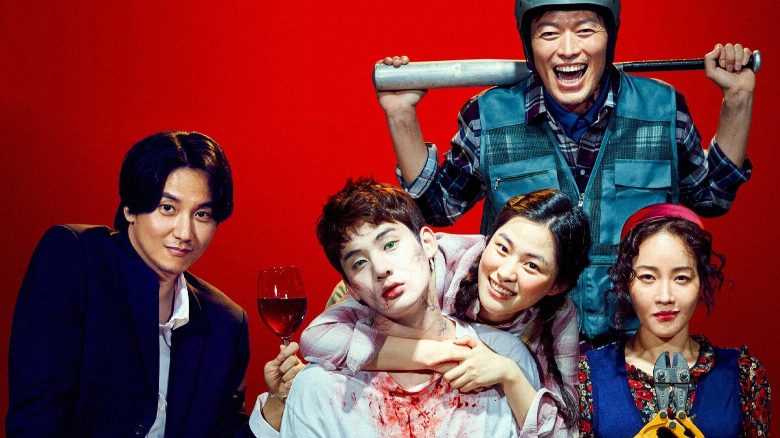
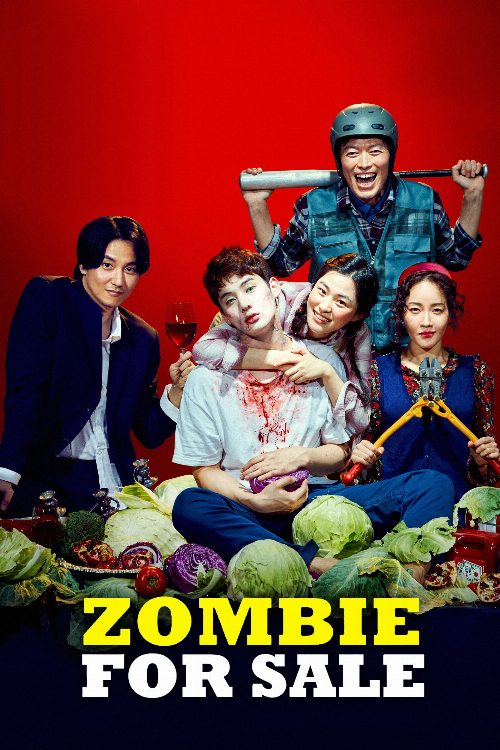
When a pharmaceutical company's illegal experiments inadvertently create a zombie, the strange Park family finds it and tries to profit from it.
South Korean cinema has long mastered the art of genre fluidity, and Zombie for Sale stands as a testament to the countrys unique ability to blend slapstick comedy with genuine societal satire. While global audiences often associate the undead with grim survivalist epics, this 2019 feature pivots sharply into the realm of the absurd, focusing on a rural clan that views a biological mishap as their golden ticket to financial salvation. Rather than running in terror, the eccentric Park family treats their captured creature like a bizarre household project, turning a terrifying medical anomaly into a source of community fascination. This inversion of the classic horror trope is what makes the film so refreshing, as it trades bleak nihilism for a frantic, colorful exploration of human greed and dysfunctional familial bonds.
The film operates within the vibrant tradition of Korean dark comedies that examine how ordinary people react to extraordinary, often grotesque, circumstances. For fans of regional Indian cinema who appreciate the tonal shifts found in genre-bending hits like the Malayalam dark comedy movement or the experimental spirit of recent Telugu indie projects, this movie offers a familiar, yet distinctly Korean, flavor of humor. It avoids the polished, high-gloss aesthetic of big-budget thrillers, opting instead for a grounded, messy, and deeply human character study that highlights the desperation of a family living on the fringes of modernity. The performances, particularly from Jung Jae-young and Lee Soo-kyung, ground the zany premise in enough emotional reality to keep the audience invested even as the plot spirals into increasingly chaotic territory.
Viewers who enjoy films that refuse to pick a single lane will find this entry particularly satisfying. It is perfectly positioned for those who find traditional zombie films predictable and are instead looking for a narrative that prioritizes character quirks and structural satire over relentless jump scares. The director manages to balance the slapstick sequences with a subtle critique of corporate negligence and the transactional nature of human relationships, ensuring that the comedy never feels entirely hollow. By positioning the undead not as an existential threat but as a tool for economic mobility, the film offers a clever, biting commentary that resonates well beyond its suburban Korean setting. Whether you are a devotee of international cult classics or simply a curious viewer seeking an offbeat cinematic experience, this project serves as a compelling reminder of why Korean filmmakers remain at the forefront of creative risk-taking in contemporary world cinema.
Cast(29)