About 100 Days Before the Command
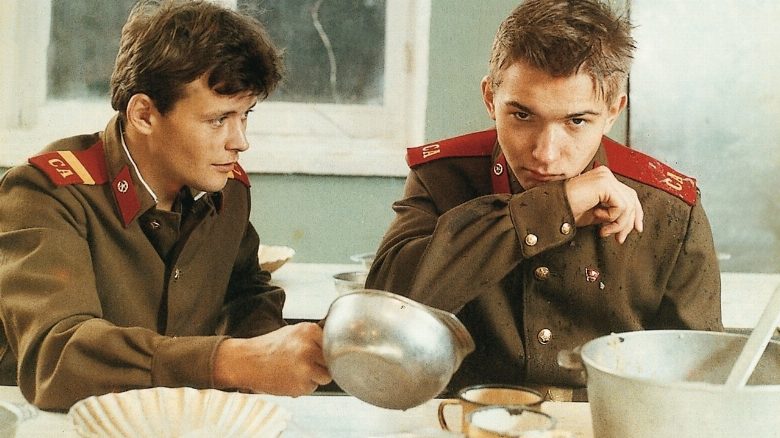
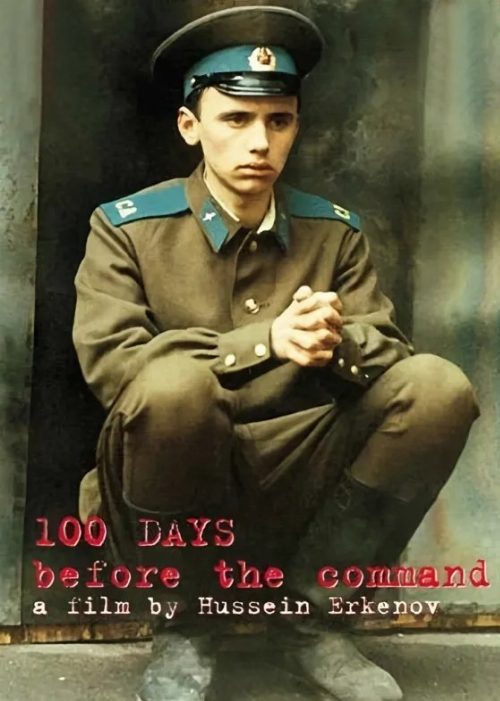
Hussein Erkenov's courageous and stinging indictment of communism. Five young Red Army recruits struggle for survival against the merciless violence that surrounds them on a daily basis. Their only means of saving their dignity is by preserving the humanity and compassion they share for each other.
The cinematic landscape of the early nineties remains a fascinating period for Soviet production, as the industry navigated the collapse of a superpower while grappling with newfound creative freedom. Hussein Erkenov delivered a visceral and uncompromising vision with 100 Days Before the Command, a film that serves as a haunting snapshot of a system unraveling from within. Rather than opting for traditional war heroics or political propaganda, the narrative dissects the psychological and physical erosion caused by institutional cruelty. It portrays the military barracks not as a bastion of national pride, but as a crucible of systemic abuse where the transition from civilian life to soldier is marked by profound disillusionment.
For audiences accustomed to the polished dramas of contemporary Indian cinema, where large scale spectacles often dominate, this Russian classic offers a stark departure. Its power lies in its claustrophobic intensity and the raw performances of its ensemble cast, including Roman Grekov and Oleg Vasilkov. The film follows a group of young men attempting to maintain their moral compass while caught in a cycle of relentless hazing and dehumanization. This focus on the fragility of human dignity under totalitarian pressure resonates with themes often explored in intense survival dramas found across global independent cinema. It is a film that demands an active viewer, one who is prepared to confront the darker side of human nature and the societal structures that facilitate such degradation.
The significance of 100 Days Before the Command has only grown with time, as it stands as a bold artifact of a transitory era. Hussein Erkenov utilized his platform to strip away the veneer of Soviet military life, creating a work that feels both urgent and timeless. The film functions as a stark warning about the cost of unchecked authority, making it an essential watch for students of film history and those who appreciate narratives that prioritize character psychology over plot twists. While it lacks the vibrant musical numbers or heroic arcs found in modern Hindi or Telugu blockbusters, its impact is arguably more profound. Those who enjoy gritty, character-driven storytelling will find much to admire in the way this production handles themes of brotherhood and resistance against overwhelming odds, cementing its status as a pivotal piece of Russian dramatic history that continues to challenge viewers today.
Cast(12)