Agony: The Life and Death of Rasputin(1981)
About Agony: The Life and Death of Rasputin
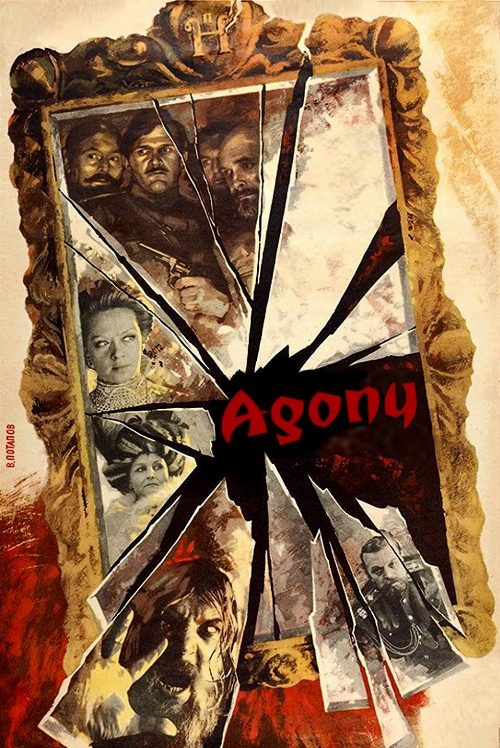
Russian monk Grigori Rasputin rises to power, which corrupts him along the way. His sexual perversions and madness ultimatly leads to his gruesome assasination.
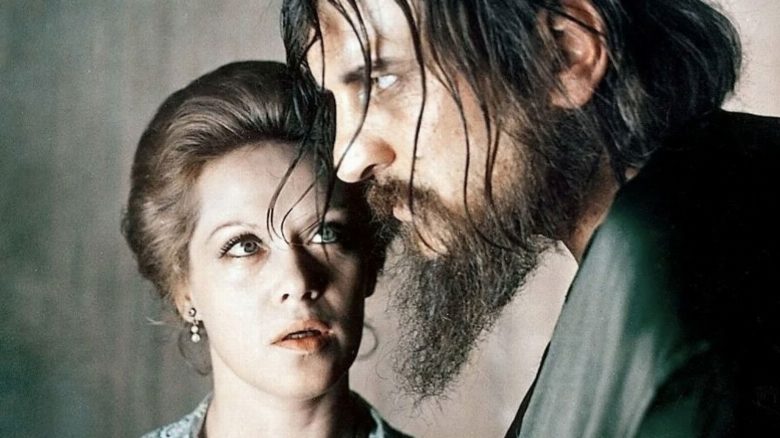
Few cinematic portraits of historical figures possess the visceral intensity found in the 1981 Soviet production Agony. Elem Klimov crafted a fever dream of a biopic that transcends the typical dry retelling of imperial decline, opting instead for a hallucinatory dive into the final days of the Romanov dynasty. By centering the narrative on the enigmatic monk Rasputin, the film offers a terrifying look at how absolute power and spiritual manipulation can erode the foundations of a massive empire. Unlike traditional historical dramas that prioritize rigid chronology, this project utilizes a chaotic, almost expressionistic visual style to mirror the mental disintegration of its subject and the crumbling society surrounding him.
The film stands as a fascinating case study in how international cinema handles the intersection of politics and personal mythology. For audiences familiar with the grand, sweeping narratives often found in modern Indian epics, the pacing here offers a stark contrast, favoring psychological tension over linear spectacle. It is a vital watch for those who appreciate the intersection of gritty character studies and high-stakes period settings. The performance of the lead actor anchors this madness with a chilling ambiguity, forcing viewers to constantly question whether they are watching a holy man or a calculated opportunist. Klimov’s direction is marked by a relentless energy that makes the inevitable downfall of the monarchy feel both tragic and historically necessary.
Viewers who enjoy films that challenge their perception of villainy will find much to dissect here. It is not merely a chronicle of one man’s influence but a broader examination of a nation on the brink of revolution. The production design captures a sense of rotting opulence that serves as a perfect backdrop for the moral decay being depicted. Because it avoids the sanitized polish of many Hollywood historical biographies, it remains a powerful example of how European directors of the late twentieth century approached the darker chapters of their own heritage. This is a demanding, visually arresting piece of world cinema that rewards those who are willing to immerse themselves in a world where piety and depravity become indistinguishable. It remains an essential artifact for any serious student of global film history, standing as a testament to the power of a director to turn a well-known historical footnote into a nightmarish, unforgettable experience.
Cast(47)