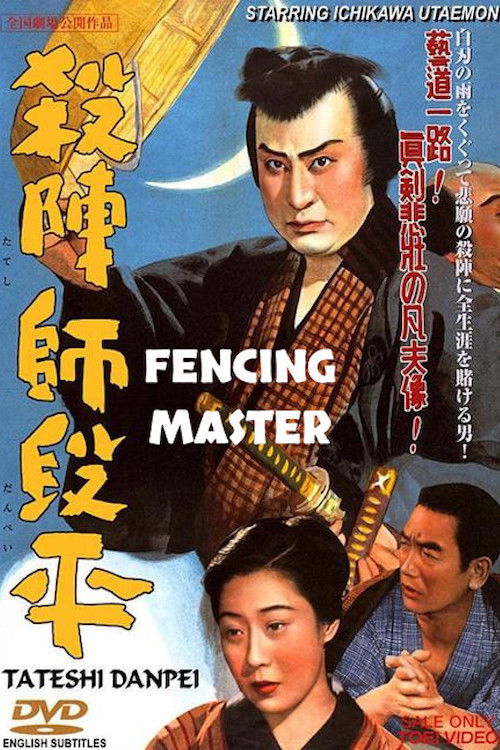
About Fencing Master
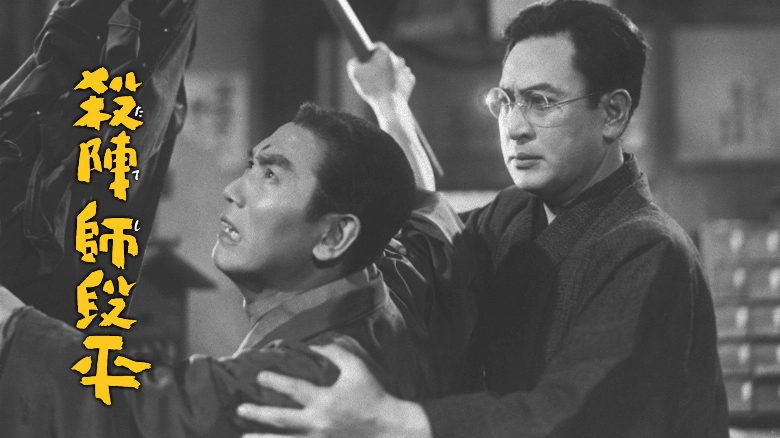
Swordfighting instructor Danpei works at a local theater in Tokyo, instructing the actors how to fight realistically.
Stepping away from the grand spectacles of samurai epics that often defined mid-century Japanese cinema, Fencing Master offers a rare, intimate look at the craft behind the curtain. Directed by Masahiro Makino, a filmmaker known for his deep understanding of period drama sensibilities, the film centers on the life of an unsung technician rather than a warrior. By focusing on a professional sword instructor tasked with teaching stage performers how to simulate combat, the narrative bridges the gap between the art of the blade and the art of performance. It is a fascinating study of artifice and reality that feels surprisingly modern, exploring the tension between the grit of genuine skill and the theatrical flair required to captivate an audience in a bustling Tokyo theater.
For followers of Indian cinema who appreciate the meta-commentary seen in recent industry-focused dramas, this 1950 release provides a compelling historical parallel. Just as contemporary regional films from the Telugu or Malayalam industries often pull back the veil on the mechanics of stardom and stunt choreography, Fencing Master examines the pressures faced by those who facilitate the spectacle. The film is perfectly suited for viewers who find the technical side of action filmmaking as compelling as the duels themselves. It moves away from the typical hero-centric narrative, instead highlighting the dignity of a craftsman whose expertise is vital yet often relegated to the background. Utaemon Ichikawa delivers a performance that commands attention, grounding the story in a sense of lived-in experience that elevates the material beyond a simple period piece.
The film serves as an essential watch for cinephiles interested in the evolution of action choreography and the history of the jidaigeki genre. Makino expertly weaves a narrative that feels both grounded and reflective, showcasing a side of Tokyo life that is rarely captured with such nuanced focus on labor and pride. Those who admire the dedication of stunt performers in modern Indian action hits will find a kindred spirit in the protagonist of this classic. While it lacks the explosive scale of wartime epics, its quiet power lies in its dedication to the minutiae of movement and the discipline required to master a craft. It remains a standout entry in Makino’s filmography, acting as a bridge between the traditional theater roots of Japan and the cinematic language that would soon dominate the global stage.