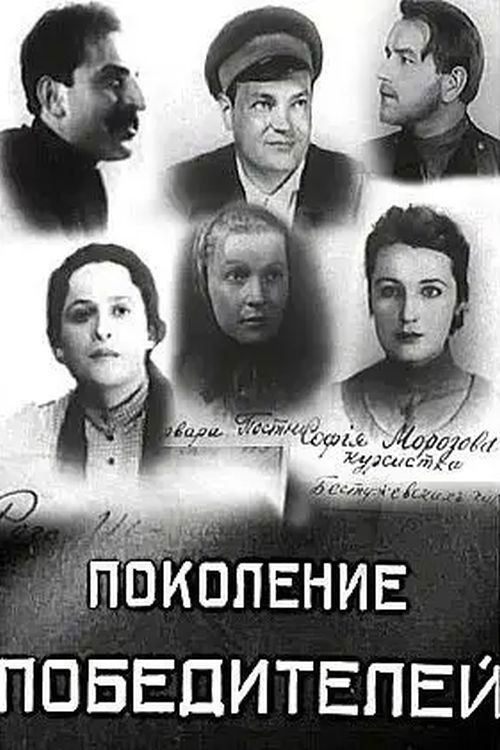
About Generation of Victors
The film covers the events of 1896-1905 - from the first revolutionary gatherings to the armed Moscow uprising of workers at Krasnaya Presnya, later called Bloody Sunday. St. Petersburg students Alexander Mikhailov and Yevgeny Svetlov and a peasant girl Varvara Postnikova arrive in Moscow and follow the complicated path of underground revolutionaries.
Cinema archives often serve as time capsules, but few projects capture the fervor of early twentieth-century political upheaval with the raw intensity found in Generation of Victors. Released in 1936, this historical drama functions as a cinematic examination of the tumultuous decade spanning from the mid-nineties to the climax of the 1905 uprising. By focusing on the ideological transformation of young intellectuals and laborers, the film documents the transition from quiet dissent to open rebellion. It provides a window into the socio-political climate that shaped the Russian landscape, moving beyond mere textbook history to emphasize the human cost of systemic radicalization. For viewers interested in how global cinema has traditionally approached the themes of class struggle and grassroots mobilization, this work remains a pivotal entry point.
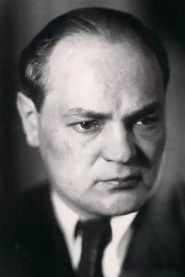
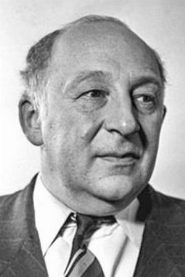
The narrative structure follows a trio of protagonists—two students and a rural laborer—as they navigate the labyrinthine world of clandestine activism. This choice of characters allows the audience to witness the revolution through diverse lenses, bridging the gap between academic theory and the visceral reality of the working class. The performances of Nikolai Khmelyov and Boris Shchukin anchor the film, providing a gravitas that elevates the script above standard agitprop. While contemporary audiences might find the pacing deliberate, the film remains a masterclass in period recreation and ensemble acting. It is particularly well-suited for cinephiles who appreciate the evolution of revolutionary storytelling and those curious about the aesthetic trends that dominated mid-thirties Soviet filmmaking.
Much like the intense, politically charged dramas frequently produced within the modern Indian film industries, Generation of Victors understands the power of the collective voice. Just as Telugu or Malayalam cinema often utilizes regional history to underscore contemporary social justice themes, this film uses its historical setting to validate the necessity of change. The director’s ability to weave the personal journeys of the leads into the broader tapestry of the Moscow unrest is what distinguishes the project from its contemporaries. It is an essential watch for anyone studying the intersection of art and political history. By highlighting the psychological toll of underground life, the film manages to maintain a sense of urgency that transcends its era, proving that the struggle for social transformation is a universal narrative thread that continues to resonate across global borders.
Cast(10)