About Hymn of the Plague
In an old Soviet music hall, an orchestra is recording a composition based on Pushkin's "Feast During the Plague". An invisible and frightening force is interfering with the musicians - whether it is the spirits of the past or the echo of war, but no one notices what is happening around them until the terrible end comes.
The haunting resonance of Alexander Pushkin remains a foundational pillar of Russian literature, yet Attack 51 manages to twist this heritage into a claustrophobic nightmare with Hymn of the Plague. Set within the echo-filled walls of a decaying Soviet-era performance venue, the film centers on a collective of musicians tasked with capturing a sonic interpretation of a classic plague-themed masterpiece. While the premise may initially mirror standard supernatural horror tropes, the director elevates the material by grounding it in the stifling atmosphere of a bygone political epoch. The tension is not merely derived from jump scares or spectral manifestations, but rather from the psychological disintegration of an ensemble trapped by their own artistic obsession while an unseen, malevolent presence begins to dismantle their reality from the inside out.
For audiences accustomed to the high-octane spectacle of contemporary Indian cinema, this Russian production offers a distinct change of pace, trading sprawling song-and-dance sequences for a singular, relentless focus on dread and atmospheric decay. It functions similarly to slow-burn psychological dramas that prioritize mood over exposition, making it a compelling choice for viewers who appreciate the arthouse sensibilities often found in the more experimental pockets of the Malayalam or Kannada film industries. The film leans heavily into the idea that history is a living, breathing weight, suggesting that the ghosts inhabiting the music hall are not just external spirits but manifestations of unresolved trauma and the silence that follows great societal upheaval.
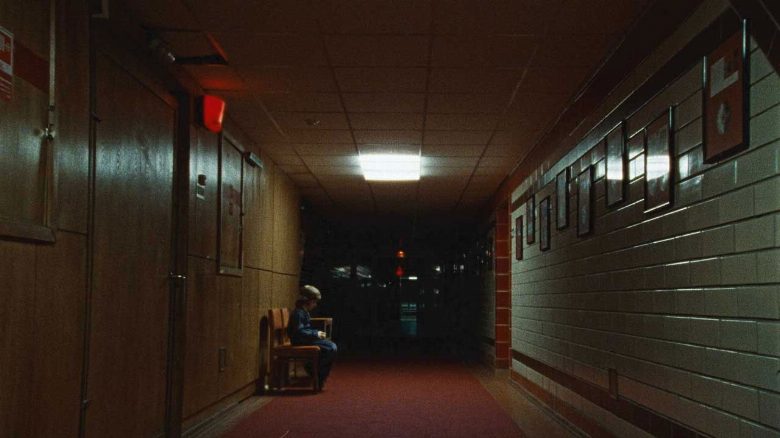
Denis Bozhutin and the supporting cast deliver performances that feel appropriately frayed, capturing the frantic energy of artists who are slowly realizing that their devotion to the craft is leading them toward a dark, inescapable fate. Attack 51 demonstrates a sharp eye for visual framing, utilizing the cavernous, dimly lit architecture of the Soviet hall to make the human figures appear increasingly small and insignificant. This is a film for those who enjoy questioning the boundary between art and madness, and it stands as a grim reminder of how easily the past can intrude upon the present when we are too distracted by our own ambitions to notice the danger lurking in the shadows. It is an evocative piece of gothic storytelling that relies on sound design and encroaching shadows to build an experience that lingers long after the final note fades.