Kamen Rider Agito: Project G4(2001)
About Kamen Rider Agito: Project G4
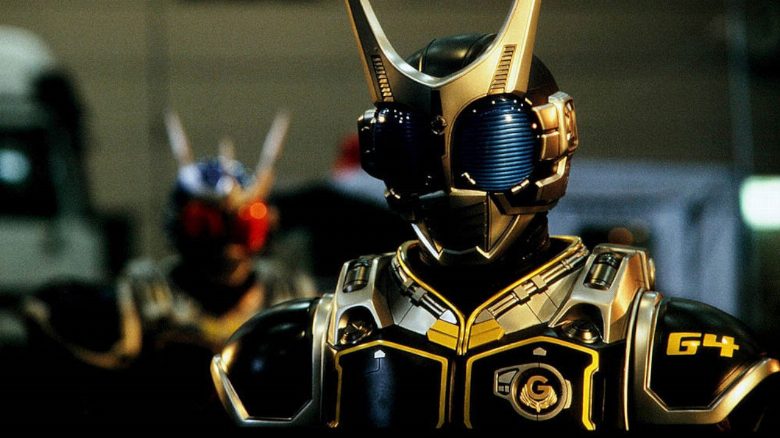
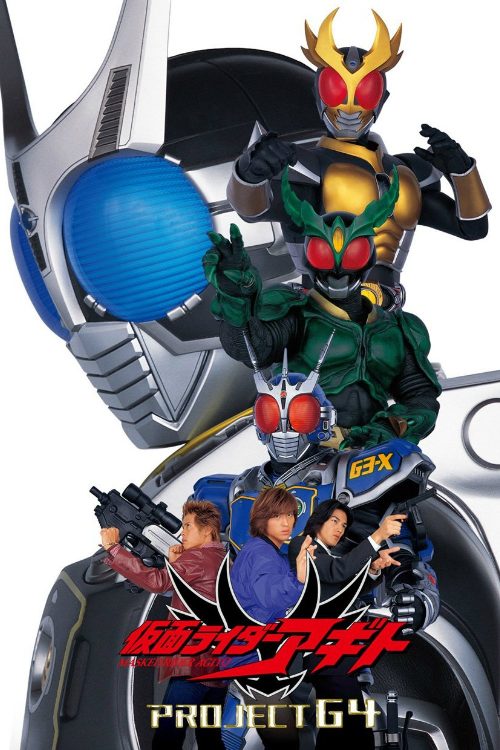
Shouichi encounters a teenage girl called Sayaka, who ran away from a military facility because of an attack by the Ant Lords. Sayaka has a supernatural ability to foresee the future. Risa Fukami, of the military group GA, wants to use that power to enhance the newly-made G4 System, which was based upon designs stolen from Ozawa. Now, Agito and Gills must fight to stop the Ant Lords' attack, as G3 and G4 settle their score.
Japanese tokusatsu cinema occupies a fascinating space in global pop culture, and Kamen Rider Agito Project G4 remains a definitive artifact of how the early 2000s redefined the superhero genre. While contemporary Indian cinema has recently been leaning heavily into the spectacle of the superhero mythos, this film serves as a masterclass in balancing high-stakes science fiction with deeply personal character conflicts. The narrative centers on a clandestine military initiative aiming to weaponize precognitive abilities, creating a tension that feels surprisingly grounded despite the presence of monstrous entities. By pitting legacy technology against experimental enhancements, the story elevates itself beyond a standard creature feature into a meditation on the ethics of military advancement and the heavy cost of wielding power.
The film is particularly compelling for viewers who appreciate the darker, more introspective side of the Kamen Rider franchise. Unlike many action-oriented entries that focus solely on the spectacle of combat, this project delves into the rivalry between established defensive systems and new, ruthless prototypes. The inclusion of supernatural foresight as a plot device adds a layer of psychological dread, forcing the protagonists to contend with the burden of what is yet to come. It functions effectively as a bridge between the traditional monster-of-the-week format and a more serialized, cinematic storytelling approach that has since become the industry standard for blockbuster franchises across Asia.
For fans of the genre, the appeal lies in the stark contrast between the various armored warriors. The choreography is tight and purposeful, reflecting a time when practical suit work was reaching its peak technical proficiency. Even decades later, the visuals hold up because they prioritize physical weight and tangible impact over the digital artifice that dominates modern action films. Whether you are a long-time devotee of Japanese sci-fi or a curious newcomer interested in the roots of modern hero-centric narratives, the film offers a complete, self-contained experience that respects its own lore while delivering relentless pacing. It stands as a testament to the versatility of the franchise, proving that even within a rigid formula, there is immense room for innovation and dramatic depth.
Cast(22)