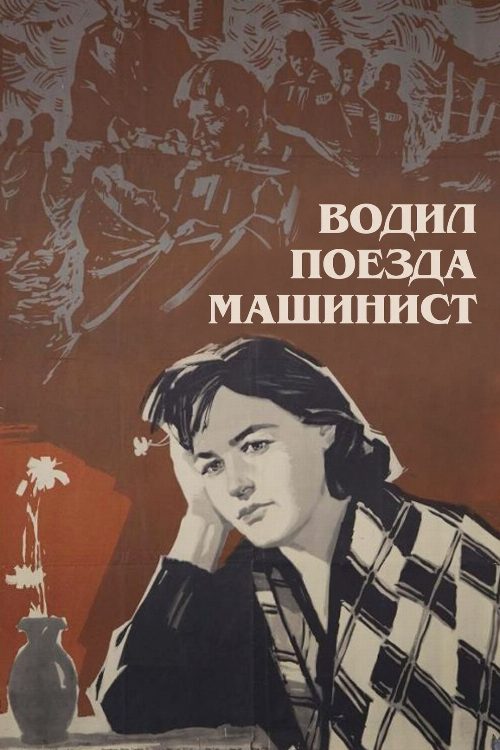
About Machinist Drove the Trains
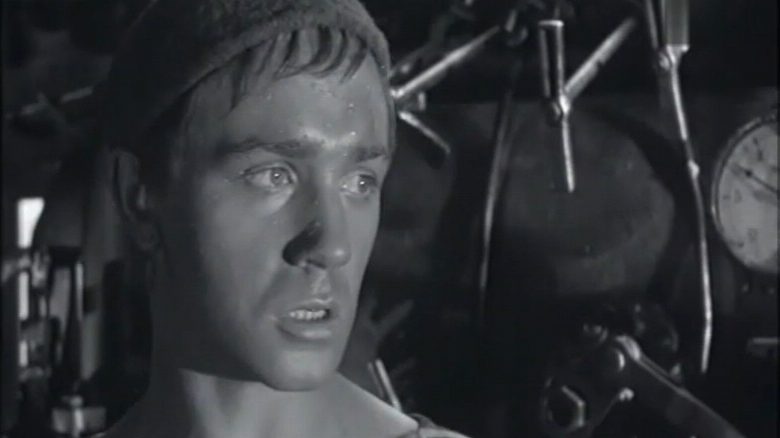
Olga, who was taken to the West by Hitler's invaders, works as a switchman at a railway station. Echelons with prisoners of war - convicts - pass by her every day. Olga gets acquainted with the machinist Fyodor and with his help organizes the escape of her camp mates. But the plan fails, and the escapees are shot. Fyodor, who miraculously survived, gets to the homeland. And after the war, chance again brings him together with Olga, when the hero with severe burns after an accident falls into the hospital...
Soviet cinema often excels at capturing the quiet, agonizing intersections of personal morality and systemic oppression, and Machinist Drove the Trains serves as a poignant testament to this tradition. Set against the harrowing backdrop of the Second World War, the narrative follows Olga, a woman uprooted from her homeland and forced into labor near the railway tracks that serve as the arteries of the Nazi war machine. Her routine existence is shattered when she crosses paths with Fyodor, a train operator whose presence transforms a landscape of despair into a theater of resistance. By focusing on the logistical heartbeat of the war effort, the film highlights how ordinary people utilized their proximity to infrastructure to orchestrate daring acts of defiance, elevating the story from a typical period piece to a tense, character-driven thriller.
The film stands out by avoiding the grand, sweeping battle sequences that define many war dramas, choosing instead to focus on the intimate, high-stakes decisions made in the shadow of tyranny. For viewers who appreciate the nuanced performances seen in contemporary Indian regional cinema—such as the grounded, gritty storytelling found in recent Malayalam dramas or the atmospheric intensity of Tamil period pieces—this classic offers a similar depth of emotional resonance. It explores the psychological weight of survival and the lingering trauma that persists long after the smoke clears. Leonid Kuravlyov delivers a performance that anchors the film, balancing the stoic resolve required for his dangerous work with the fragility of a man haunted by the choices he makes to save others.
This production is particularly compelling for audiences interested in the ethics of resistance and the long-term impact of wartime survival on the human spirit. The pacing is deliberate, allowing the tension to coil tightly around the central relationship between Olga and Fyodor, making the inevitable collision between their ideals and the harsh realities of their environment feel deeply personal. As the story shifts from the immediate danger of the conflict to the long-term echoes of those events in a post-war setting, it forces the audience to consider the cost of heroism. It is a thoughtful, somber exploration of memory and resilience that remains relevant for anyone who values cinema that prioritizes human connection over spectacle. Whether you are a fan of classic international arthouse films or simply someone drawn to historical narratives that emphasize individual agency, this work provides a haunting look at how deep scars can bridge the gap between enemies and allies alike.
Cast(9)