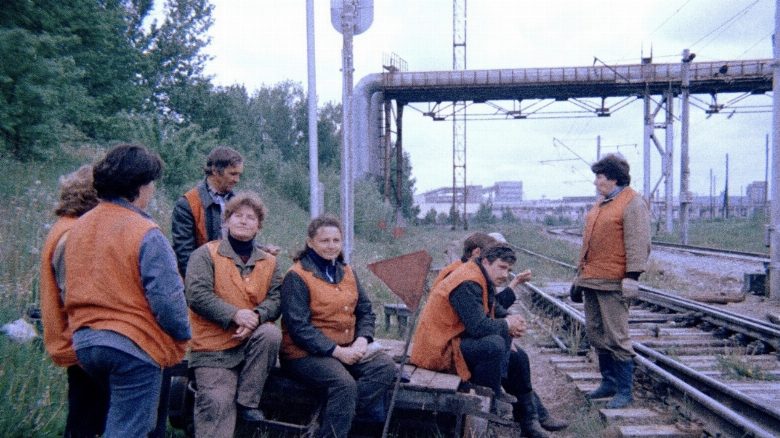

About Orange Vests
A radical cinematic letter about the hardships facing women in the collapsing Soviet Union. Shot in Belarus, Tajikistan, Ukraine and Siberia, these interviews and observations document the exploitation and repression of an unwavering patriarchal doctrine.
Few filmmakers possess the unflinching nerve required to capture the societal fractures of a superpower in its final, agonizing death throes. When Yuriy Khashchevatskiy turned his lens toward the crumbling infrastructure of the post-Soviet landscape in 1993, he bypassed the typical political headlines of the era to focus on a far more pervasive, enduring crisis. Orange Vests serves as a haunting archival bridge between the ideological collapse of a state and the grim reality of those who remained tethered to its fading machinery. By traversing the vast, disparate territories of Belarus, Tajikistan, Ukraine, and the harsh reaches of Siberia, the film functions less like a conventional documentary and more like a visceral, fragmented diary of systemic neglect. It highlights how the transition from a centralized command structure into an uncertain future disproportionately burdened women, stripping away the thin veneer of socialist equality to reveal the deep-seated patriarchal rot underneath.
For audiences accustomed to the hyper-stylized narratives of contemporary global cinema, including the burgeoning movements in Indian regional industries like the stark, realist dramas of Malayalam cinema, this film offers a masterclass in observational storytelling. Khashchevatskiy does not rely on manipulative scores or polished narration; instead, he allows the lived experiences of his subjects to form the heartbeat of the project. The film is a vital entry point for students of history and devotees of the documentary form who seek to understand the human cost of geopolitical upheaval. It avoids the trap of glorifying the past, opting instead to dissect the specific mechanisms of repression that persisted even as the map of the world was being redrawn.
This work stands out as an essential watch for those who appreciate cinema that acts as an act of defiance. While many films from the early nineties focused on the macro-level fallout of the Soviet dissolution, this piece remains laser-focused on the domestic and labor-based struggles of women, effectively exposing the universal nature of exploitation. Viewers who enjoy films that challenge their perspective on systemic inequality will find this documentary particularly resonant. It is a stark reminder that while regimes may shift and borders may shift, the struggle for autonomy within rigid, traditionalist structures remains a constant, haunting theme across cultures. Khashchevatskiy has crafted a testament that feels as urgent now as it did three decades ago, proving that true cinematic legacy lies in the ability to document the truths that power structures would prefer to keep buried.