About Stepan Razin
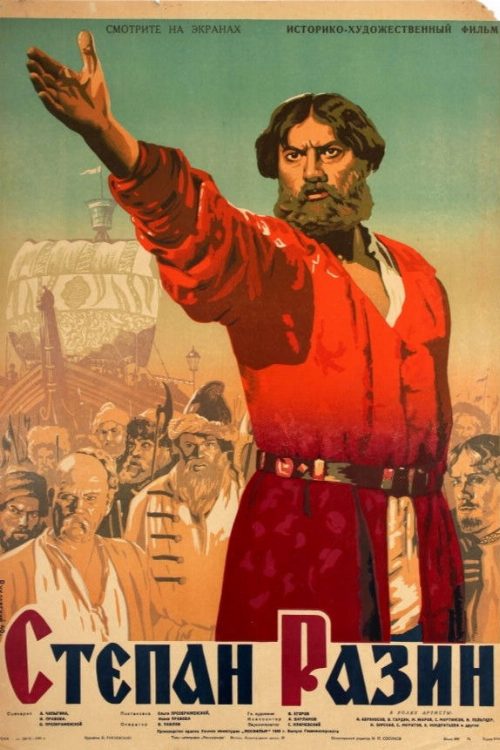
Don Cossack Stepan Razin boyars vowed revenge for his friends tortured torture. As head of the rebellious peasants, he becomes the leader of the whole army. With all the Russian land flock to him humiliated and oskorblennye.Tsar Alexey concerned the growing power Ataman. Church anathematizes Stepan collected in the march on Moscow. Regular king's troops manage to stop rebel forces near the walls Simbirska.Spodvizhniki perish, and the chieftain captured. Severe torture did not break the will of Razin.
Stepan Razin remains a towering figure in the Russian historical consciousness, and the 1939 cinematic interpretation of his life captures the mythic weight of a folk hero struggling against the iron grip of imperial tyranny. By focusing on the transformation of a Cossack leader into a revolutionary icon for the downtrodden, the film positions itself as a grand-scale period drama that mirrors the Soviet-era fascination with agrarian uprisings and the defiance of autocratic rule. Sergei Martinson brings a palpable intensity to the screen, grounding the larger-than-life legend in a performance that emphasizes the psychological toll of leading an ill-fated crusade against the established order of the Tsar.
The film operates within the distinct stylistic landscape of late 1930s Soviet cinema, where historical narratives were frequently utilized to reinforce themes of collective resistance and the inevitable clash between state machinery and grassroots movements. For viewers who appreciate the sprawling historical epics found in contemporary Indian cinema, such as the grand scale of Telugu period dramas or the intense emotional stakes common in Malayalam political thrillers, this film offers a fascinating parallel. It functions as a bridge between the traditional theater-inspired acting styles of its time and the burgeoning visual language of Soviet propaganda cinema, demanding a viewer who is ready to engage with heavy thematic elements and slow-burn historical storytelling.
This project is essential viewing for those interested in how national myths are constructed through the lens of early twentieth-century moviemaking. While the technical execution reflects the constraints and aesthetic choices of the late thirties, the core narrative of a man betrayed by his surroundings and eventually crushed by an overwhelming military force remains a universal archetype. It speaks to the global fascination with the anti-hero, a character type that continues to dominate box offices across Mumbai, Chennai, and beyond. Whether you are a student of film history or simply a fan of high-stakes period dramas that pit individual resolve against the crushing weight of history, this portrait of a rebel chieftain provides a window into the ideological fervor of its time. It is not merely a biography but a testament to the enduring power of the populist insurrection narrative, capturing the tension of a nation on the brink of change.
Cast(32)