About The Ambitious
The story of Ryoma Sakamoto, considered to be the architect behind the downfall of the Tokugawa shogunate. He was considered an outlaw by his own clan, hunted by his government, and was despised by supporters of the Shogun as well as the Loyalists for desiring the opening of Japan to the West in order to learn its technology, in the hopes of one day defeating the West with a modern army and navy.
Few figures in Japanese history loom as large or as controversially as Ryoma Sakamoto, a visionary whose life serves as the pulsating core of The Ambitious. Directed by the legendary Daisuke Ito, this 1970 production arrives at a fascinating intersection of cinematic history, bridging the gap between the classic jidaigeki traditions of the mid-century and the shifting, more introspective political dramas that defined the late sixties. While contemporary Indian cinema often explores the tension between tradition and colonial modernity through high-octane period epics, this film offers a grounded, intense character study of a man caught between the rigid structures of the Tokugawa shogunate and the inevitable tide of global progress. It is a masterclass in portraying a man who was essentially a man without a country, rejected by his own kin while simultaneously targeted by both the ruling powers and the radical revolutionaries.
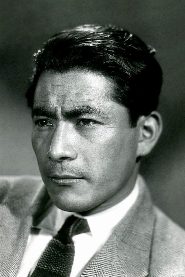
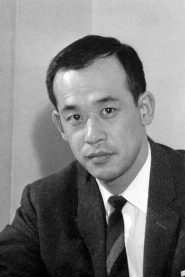
Toshiro Mifune commands the screen with his signature intensity, portraying Sakamoto not merely as a sword-swinging hero, but as a complex strategist burdened by the weight of a nation in transition. The casting of Tatsuya Nakadai opposite him adds a layer of intellectual friction that elevates the film beyond standard action fare. For audiences who appreciate the grand, sweeping narratives found in modern Indian historical dramas, The Ambitious provides a vital look at the foundations of the genre. The narrative focuses on the internal struggle of an individual willing to embrace foreign technology to preserve national sovereignty, a theme that resonates deeply with anyone interested in how nations negotiate their identity in the face of external pressure.
This film is essential viewing for cinephiles who seek to understand the evolution of the historical epic. It demands a patient viewer, one who finds reward in the subtle shifts of political alliances and the quiet moments of desperation before a storm. By avoiding the typical tropes of the samurai genre, Ito crafts a portrait that feels surprisingly modern in its cynicism and its admiration for a singular, forward-thinking mind. It remains a poignant reminder that history is often written by those who are brave enough to be considered traitors by their contemporaries. Whether you are a dedicated fan of Japanese golden age cinema or simply someone who appreciates a well-crafted drama about the cost of progress, this work stands as a testament to the enduring power of the historical protagonist.
Cast(14)