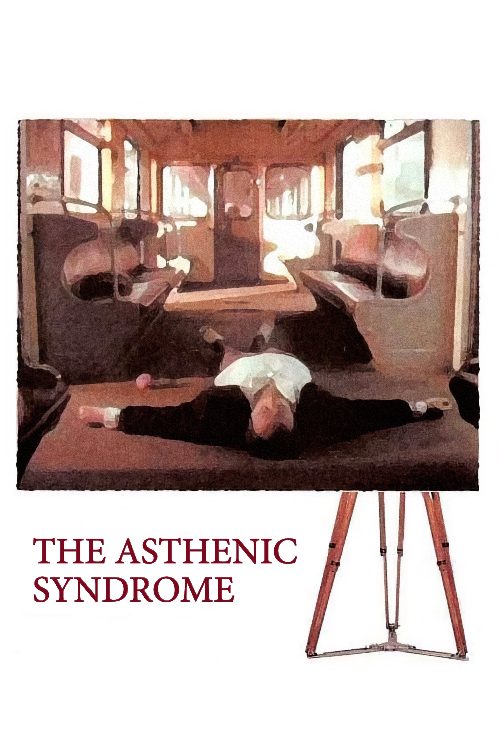
About The Asthenic Syndrome
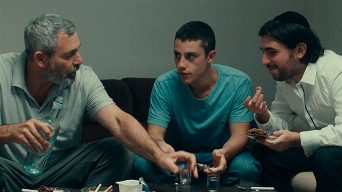
In the old days it was called hypochrondria, or black melancholia. Now, apparently, it's termed the Asthenic Syndrome. Whatever it is, Nikolai, a teacher of epicly indifferent pupils, has got it, and it's not much fun.
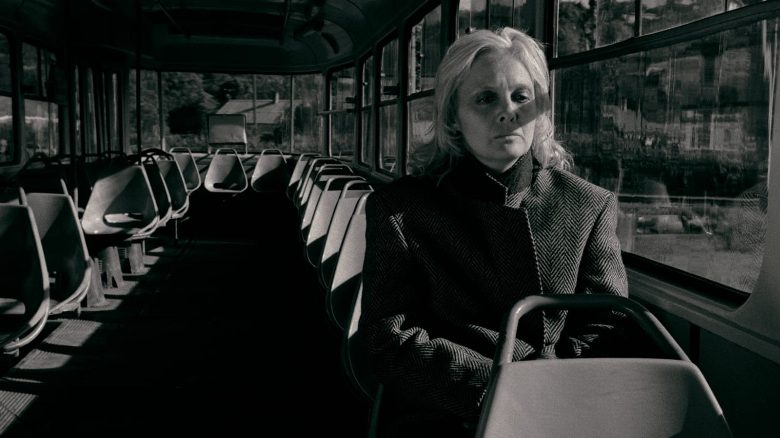
Kira Muratova remains one of the most uncompromising voices in Soviet cinema, and her 1989 feature The Asthenic Syndrome stands as a harrowing, surreal monument to a society on the precipice of collapse. While contemporary Indian cinema often navigates the complexities of rapid modernization and cultural shifts, this Russian masterpiece offers a stark, jarring counterpart by examining the psychological exhaustion of an entire nation. The film centers on a schoolteacher whose inner void manifests as a literal, uncontrollable physical detachment from his surroundings. Through his lens, the viewer is forced to confront a landscape defined by apathy, noise, and the decay of collective purpose. It is a work that feels less like a traditional narrative and more like a fever dream, capturing the precise moment when the ideological foundations of a superpower began to crumble into incoherent fragments.
The narrative structure is intentionally disorienting, split between the protagonist's descent into a state of profound fatigue and a second, broader act that moves away from him to observe the chaotic behavior of the public. This shift creates a mirror effect where the individual malaise of the teacher is revealed to be a symptom of a systemic illness affecting everyone. For audiences accustomed to the structured emotional arcs found in current Telugu or Hindi dramas, this film will be a radical departure. It lacks the comfort of a clear resolution or a heroic figure to root for, instead offering a visceral, often abrasive portrait of human beings struggling to communicate in an increasingly hostile and irrational world. It is essential viewing for cinephiles who appreciate bold stylistic choices and are interested in how a director can translate political anxiety into a tangible, lived-in texture of despair.
By choosing to focus on the concept of the asthenic syndrome, Muratova bridges the gap between clinical observation and artistic expression. The film serves as a time capsule from the waning days of the Soviet era, yet its themes of burnout and social alienation resonate with startling clarity in our modern, hyper-connected age. The performance by the lead cast captures a sense of weary resignation that makes the film feel profoundly authentic, eschewing melodramatic flourishes for a colder, more clinical approach. Those who seek cinema that challenges their perception of reality and demands active intellectual engagement will find much to dissect here. It remains a polarizing yet vital entry in the global canon, proving that the most powerful stories are often those that refuse to provide easy answers to the most difficult questions of existence.
Cast(12)