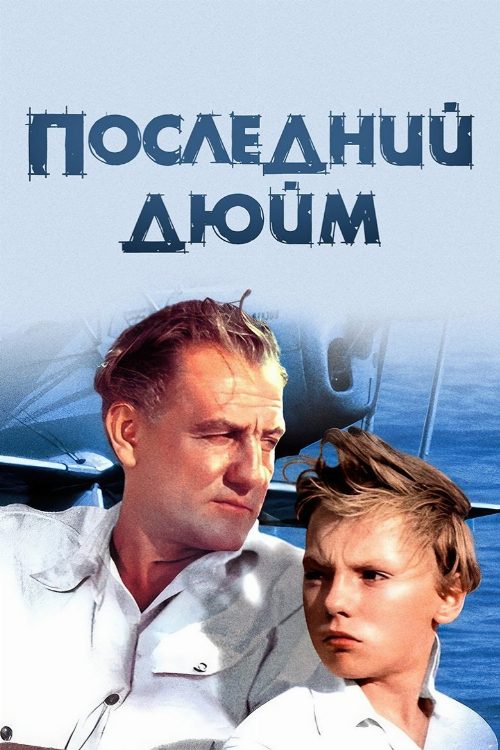
About The Last Inch
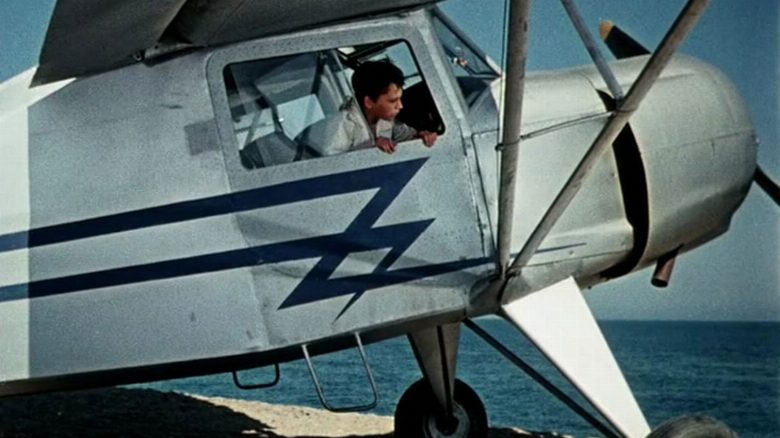
A pilot and his twelve years old sun are going to shoot an underwater pictures but suddenly get into big troubles.
The vast, sun-drenched landscapes of the Egyptian coast serve as a stark stage for a tense psychological battle in the 1958 Soviet production The Last Inch. Directed by Nikita Kurikhin, this film transcends the typical adventure genre by stripping away the spectacle of action to focus on the strained, silent chasm between a father and his young son. While many mid-century dramas relied on heavy-handed melodrama, this project opts for a minimalist approach, using the isolated, shimmering heat of the desert and the unforgiving depths of the Red Sea to mirror the internal disconnection of its protagonists. It stands out in the history of Russian cinema for its atmospheric tension and its refusal to offer easy emotional resolutions, opting instead to explore the raw survival instinct that emerges when authority is stripped of its power.
Within the broader landscape of world cinema, the film invites comparisons to mid-century humanistic dramas that prioritize character psychology over plot mechanics. For audiences accustomed to the high-octane emotional beats of modern Indian cinema, where familial bonds are often tested through loud, performative confrontations, the quiet, almost clinical restraint found here offers a refreshing shift in perspective. Mikhail Gluzskiy delivers a performance that anchors the narrative, portraying a man forced to reckon with his own detachment when a routine professional endeavor spirals into a fight for life. The film functions as a stark character study of generational gaps, suggesting that the most difficult distances to bridge are not those measured in miles, but the subtle emotional inches that separate individuals living under the same roof.
Viewers who appreciate slow-burn narratives and the stark beauty of authentic location shooting will find much to admire in this vintage piece. It is particularly recommended for those interested in the evolution of Eastern European filmmaking, as it eschews the overt ideological messaging common to the era in favor of a universal, intimate tale of resilience. By focusing on the fragility of the human body against the backdrop of nature, the director crafts a story that remains unexpectedly relevant. Whether one is a scholar of classic Soviet dramas or a casual fan of survival stories, the film provides a compelling look at how desperation can force a recalibration of priorities, turning a professional assignment into a profound lesson in paternal responsibility and mutual endurance.