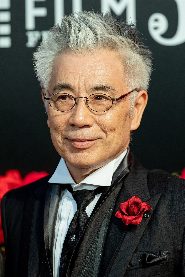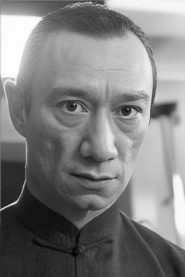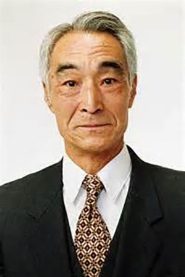
About The Sun
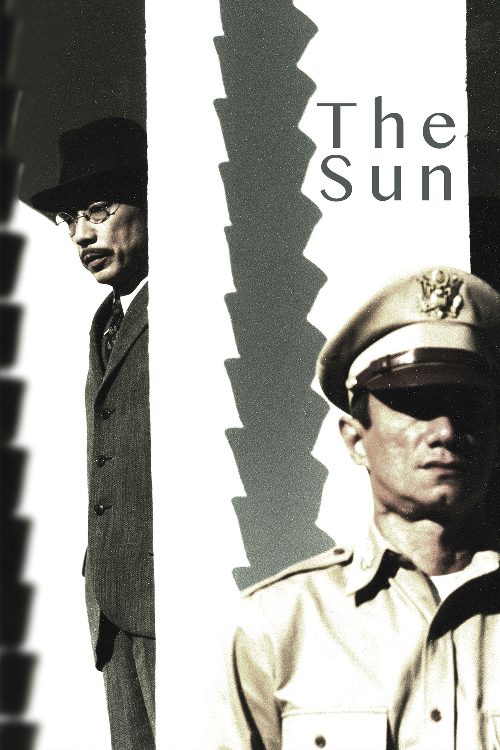
A re-imagination of Japanese Emperor Hirohito’s final days in power as WWII draws to a close.
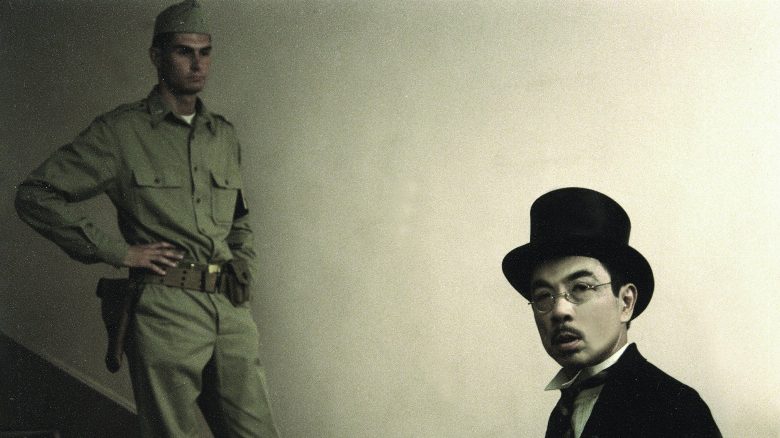
Alexander Sokurov delivers a hauntingly intimate portrait of power in The Sun, a film that peels back the layers of divinity surrounding a monarch pushed to the brink of historical erasure. While much of the global cinema landscape in 2005 was focused on the bombastic spectacle of war, this Russian-led production chose a different path by retreating into the claustrophobic, dimly lit bunkers of the Japanese Imperial Palace. By stripping away the grandiosity often associated with period dramas, the film forces the viewer to confront the fragility of a leader who is simultaneously a god to his people and a prisoner of his own crumbling regime. This is not a standard biopic but rather a meditative exploration of what happens when the weight of a collapsing empire rests on the shoulders of one isolated man.
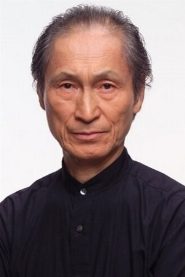
The film fits into a fascinating niche of international co-productions that look at Asian history through a lens of quiet, philosophical introspection. Sokurov, already a master of the slow-burn narrative, directs Issey Ogata in a performance that is remarkably restrained yet profoundly expressive. Ogata avoids the tropes of a stereotypical world leader, instead offering a fragile, almost childlike perspective on the end of a catastrophic era. For fans of Indian cinema who appreciate the slow-cinema movement found in recent auteur-driven Malayalam and Tamil works, The Sun offers a similar reward. It demands patience and rewards those who are interested in the internal life of historical figures rather than the superficial reenactments of their public actions.
Viewers who enjoy character-driven dramas that prioritize atmosphere over rapid-fire editing will find much to admire in this visual tapestry. The cinematography captures the stagnation of the imperial court with such precision that the air itself feels heavy with the scent of defeat and uncertainty. It is an essential watch for those who track the evolution of the historical drama genre, as it serves as a masterclass in how to depict momentous political shifts without ever stepping foot on a traditional battlefield. By focusing on the personal toll of surrender and the existential crisis of a man forced to step down from a throne he believed was bestowed by the heavens, the narrative manages to feel timeless. It remains a poignant study of accountability and the quiet, often ignored moments that define the end of an age.
Cast(17)