Tokyo Drifter(1966)
About Tokyo Drifter
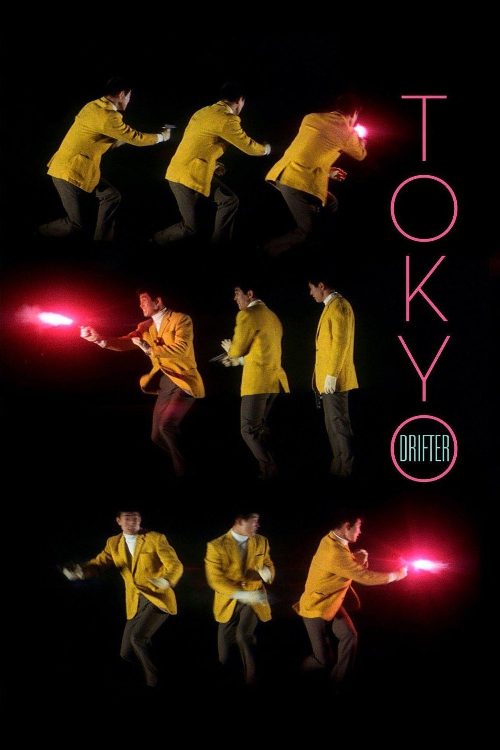
After yakuza boss Kurata dissolves his own criminal empire, a rival kingpin offers a position to Kurata's top operative, Tetsuya "Phoenix Tetsu" Hondo. When the fiercely loyal Tetsu declines, Otsuka taps unstoppable Tatsuzo the "Viper", a ruthless gun-for-hire, to assassinate him. As the Viper trails his target through the countryside, the agile Phoenix Tetsu grows concerned that one of his former associates has betrayed him.
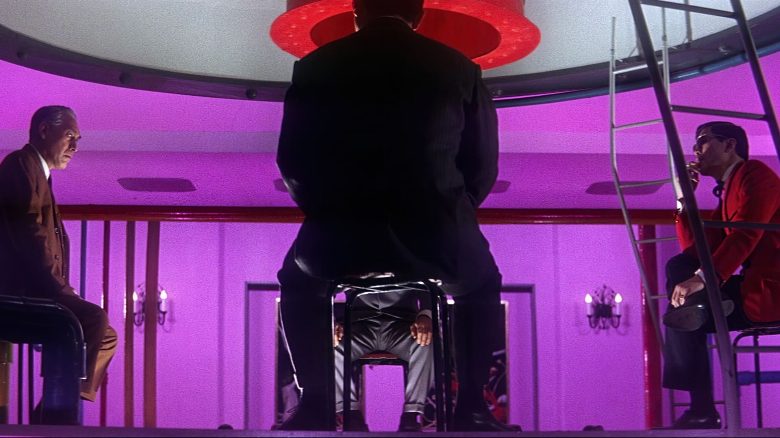
Seijun Suzuki remains an iconoclast of Japanese cinema, and his 1966 masterpiece Tokyo Drifter stands as a definitive testament to his surreal, hyper-stylized approach to the yakuza genre. Rather than settling for the gritty realism that dominated crime dramas of the era, the film functions as a pop-art fever dream that prioritizes color, composition, and rhythmic kinetic energy over traditional narrative logic. The story follows a displaced gangster, famously known as Phoenix Tetsu, who finds himself untethered after his mentor disbands their criminal organization. This refusal to conform to the new power structures of the underworld forces him into a nomadic existence, chased by hired killers through an environment that feels more like an avant-garde stage play than a standard urban landscape.
For audiences accustomed to the grounded, emotionally heavy narratives common in contemporary Indian cinema, such as the intense realism of modern Malayalam thrillers or the heightened dramatic stakes of Telugu action blockbusters, Tokyo Drifter offers a fascinating stylistic contrast. It is less concerned with the moral weight of betrayal and more focused on the aesthetic performance of cool. The film is a visual playground where the action sequences are choreographed with the precision of a dance, utilizing bold primary colors and stark, minimalist sets that would eventually influence generations of filmmakers worldwide. Viewers who enjoy films that challenge conventional storytelling through visual flair will find this to be an essential viewing experience.
The performance of Tetsuya Watari as the protagonist anchors the film with a stoic, brooding presence that defines the archetype of the lonely wanderer. His journey is marked by a shifting sense of paranoia as he navigates a world where allegiances are as fluid as the changing neon lights of the city. While the plot involves the usual tropes of underworld conflict and tactical maneuvering, the execution is entirely unique, stripping away the baggage of the genre to reveal a pure, unfiltered vision of style. This is a must-watch for cinephiles who appreciate the intersection of high-concept art and genre entertainment. It serves as a reminder that even within the rigid structures of crime cinema, a director with a distinct eye can transform a simple tale of loyalty and survival into something that feels eternally modern and impeccably crafted.
Cast(15)