About Umrao Jaan
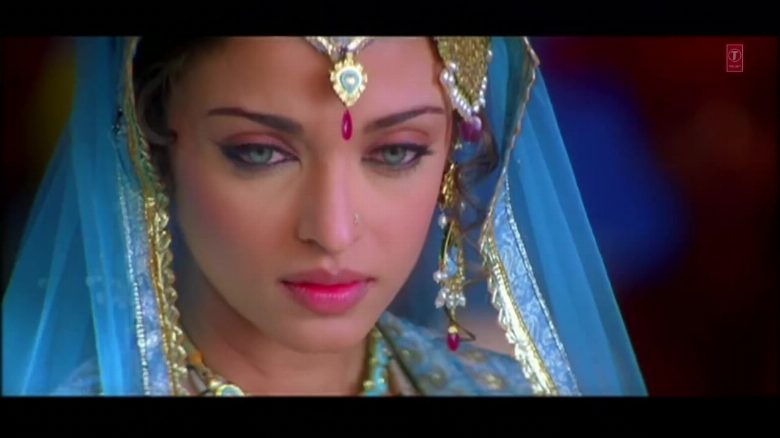
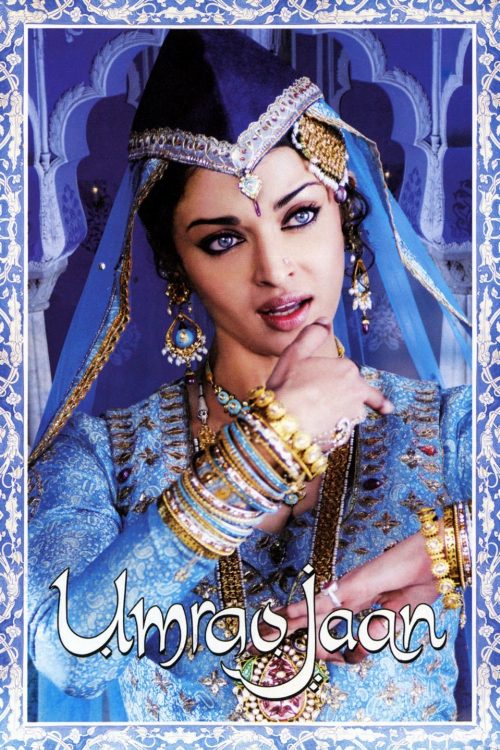
Bollywood film about the famous courtesan of the title. Aishwarya Rai stars in the lead role. The film is directed by J.P. Dutta and also stars Shabana Azmi, Sunil Shetty, Abhishek Bachchan, Divya Dutta, Himani Shivpuri and Kulbhushan Kharbanda. A remake of the original directed by Muzaffar Ali and released in 1981.
Stepping into the opulent world of 19th century Lucknow, director J. P. Dutta attempts a grand reimagining of a literary legend that has long defined the aesthetic sensibilities of Hindi cinema. This 2006 production tackles the tragic life of a celebrated poet and performer, weaving a tapestry of longing, artistic expression, and the rigid constraints of a bygone era. While the shadow of the beloved 1981 predecessor looms large, this version distinguishes itself through a deliberate focus on lush visual spectacle and a sweeping, operatic scale that aims to immerse the audience in the refined atmosphere of the courtesan culture. It is a bold stylistic choice that prioritizes the sensory experience of the mujra performances and the intricate period costumes, serving as a testament to the industry’s fascination with historical nostalgia.
The film relies heavily on the screen presence of Aishwarya Rai, who steps into the iconic role with a performance defined by poise and melancholic grace. Her portrayal is supported by a robust ensemble cast including Abhishek Bachchan and Shabana Azmi, who bring gravity to the unfolding narrative of lost love and societal exclusion. For viewers who appreciate the slow-burn pacing of traditional Urdu-language literary adaptations or those who enjoy lavish period dramas, this film offers a deep dive into themes of identity and the price of fame. It fits comfortably within the trend of mid-2000s Bollywood prestige dramas that sought to elevate the production values of classic stories through modern technical craft and high-profile casting.
As a piece of work from J. P. Dutta, who is often recognized for his gritty war epics or sprawling multi-starrer dramas, this project represents a pivot toward the lyrical and the romantic. The film does not merely recount a life story but instead functions as a mood piece, inviting the viewer to linger on the beauty of the poetry and the sorrow hidden behind the curtains of the haveli. It is best suited for those who prefer their romances draped in history and tragedy, providing a polished, albeit somber, look at a character who has become a permanent fixture in the cultural lexicon of the subcontinent. Whether judged as a standalone drama or compared to the artistic benchmarks of its predecessor, the film remains a significant effort to keep the legacy of this historical figure alive for a new generation of cinema enthusiasts who value visual grandeur and emotional depth.