What’s The Way(2017)
About What’s The Way
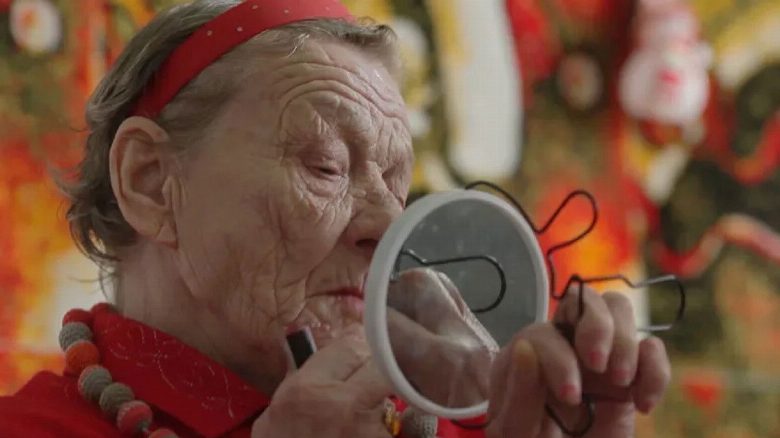
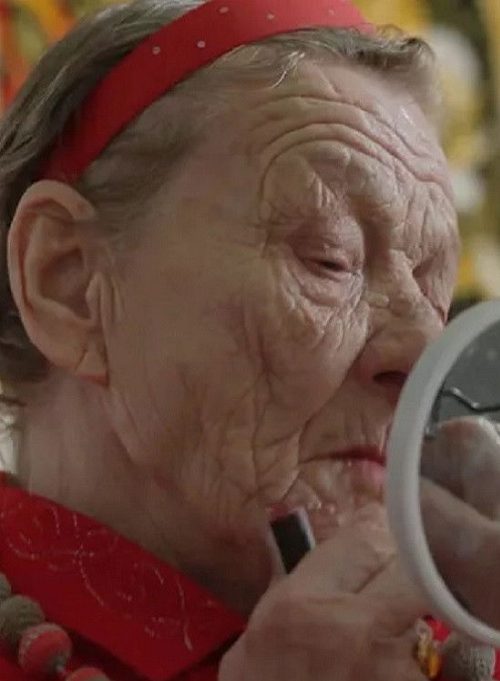
An old woman, Paradise, walks through the endless corridors in a boarding house for the elderly. While the rest of the residents are preparing for the dances, she stubbornly searches for her house and cannot find it in any way.
Venturing into the quiet corners of institutional life, the 2017 documentary Whats The Way offers a meditative look at the intersection of memory and physical confinement. The film centers on an elderly resident named Paradise, whose daily existence is defined by a persistent, circular quest to locate her true home within the labyrinthine halls of a state-run facility. While her fellow residents occupy their time with social activities and communal dances, Paradise remains detached from these distractions, driven by an internal compass that refuses to accept her current surroundings. This observational approach strips away the noise of modern cinema, forcing the audience to confront the heavy reality of displacement and the fragility of the human mind as it struggles to reconcile past anchors with present limitations.
For viewers accustomed to the high-octane narratives of contemporary Indian regional cinema, this film serves as a stark, introspective departure. Much like the best examples of world cinema that prioritize atmosphere over dialogue, the documentary relies on the stark architecture of the boarding house to mirror the protagonist's internal state. It is a work that demands patience, appealing specifically to those who value character-driven studies and the poignant exploration of aging. By focusing on the minutiae of daily routines, the director captures the profound loneliness inherent in institutionalized care, elevating a simple premise into a universal meditation on what it means to belong.
The film stands out for its refusal to offer easy answers or sentimental resolutions. It captures a specific, haunting struggle that resonates far beyond its regional roots, touching upon the universal fear of losing one's identity to time and circumstance. Anyone with an interest in humanistic storytelling will find the perspective of Paradise both heartbreaking and deeply relatable. By documenting this singular pursuit, the film invites us to reflect on our own attachments to place and the ways we define home when the world around us becomes increasingly unrecognizable. It is a quiet, deliberate piece of filmmaking that lingers in the consciousness long after the final frame, reminding us that even in the most restricted environments, the human spirit continues to search for the path back to itself.