About Goya
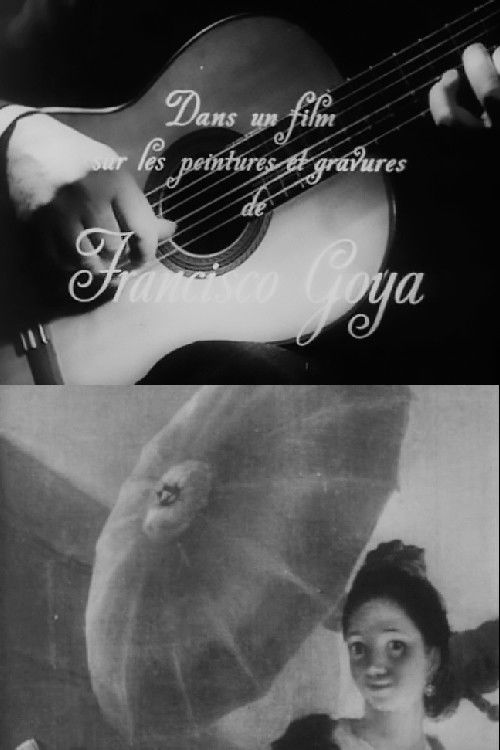
Presents life in 18th century Spain as the painter Francisco de Goya showed it to us.
Luciano Emmer occupies a unique space in the history of European cinema for his ability to translate the static beauty of fine art into the kinetic language of the moving image. His 1950 film Goya acts as a profound meditation on the intersection of historical atmosphere and artistic vision, eschewing the traditional tropes of a standard biopic to instead prioritize the visceral experience of the works themselves. By focusing on the visual output of the legendary Spanish master, Emmer invites the audience to perceive the socio-political turbulence of the eighteenth century through the sharp, often haunting brushstrokes of a man who served as the eyes of his era. This documentary approach feels surprisingly modern, echoing the way contemporary regional Indian cinema often utilizes visual metaphors and period aesthetics to comment on the human condition without relying solely on a linear narrative structure.
For viewers who appreciate the intersection of art history and cinematic technique, this work serves as an essential case study in how to frame a static canvas for the silver screen. Emmer does not merely photograph paintings; he navigates the frames with a rhythmic intensity that mirrors the emotional volatility inherent in the subject matter. Much like the current wave of experimental storytelling emerging from the Malayalam and Tamil industries, which frequently prioritizes mood and sensory immersion over conventional dialogue, this project demands a patient and observant viewer. Those who enjoy films that function as visual essays will find themselves captivated by the way the director dissects the interplay between light and shadow, effectively bringing a bygone world of royal intrigue and common suffering to life through the lens of a singular creative genius.
This film remains a testament to the power of the documentary form to elevate our understanding of global cultural heritage. By removing the distraction of theatrical reenactments, Emmer allows the art to dictate the pacing and tone, effectively bridging the gap between the viewer and the eighteenth century. It stands as a sophisticated piece of non-fiction filmmaking that avoids the pedagogical traps of its time, opting instead for an evocative, almost lyrical exploration of the psyche of Francisco de Goya. Whether one is a scholar of European art or simply a film enthusiast interested in the evolution of visual storytelling, this piece offers a rare glimpse into how a filmmaker can curate an exhibition on film, turning the screen into a window that reveals the complexities of a turbulent past.
Crew
Similar Films