About The Blue Planet
A look at the passage of time through the changing seasons, human evolution and everyday life.
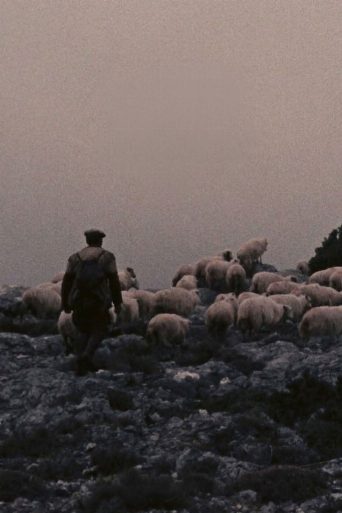
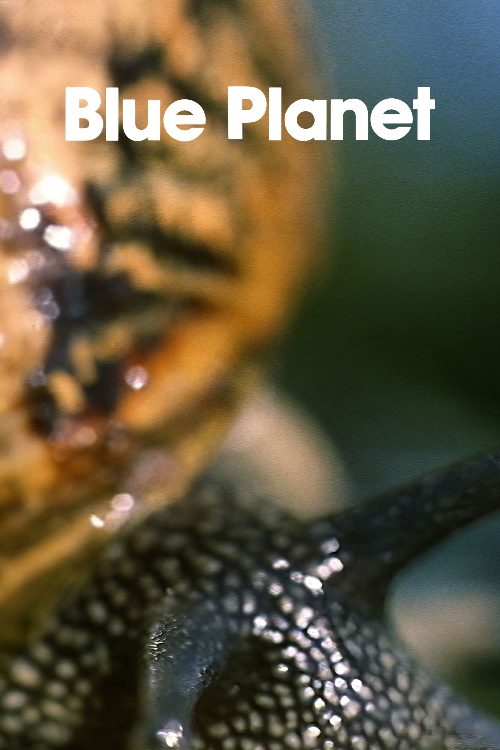
Franco Piavoli achieved something remarkable with The Blue Planet, a film that functions less like a traditional documentary and more like a meditative visual poem captured on celluloid. By stripping away the conventional crutches of voiceover narration and scripted interviews, the director invites the audience to observe the rhythmic pulse of the natural world and the quiet persistence of human existence. It is a work that feels remarkably ahead of its time, stripping cinema back to its fundamental essence of light, shadow, and movement. For viewers accustomed to the high-octane pacing of modern Indian regional cinema, where narrative momentum and star power often dictate the flow, this Italian masterpiece offers a jarringly beautiful shift in perspective. It challenges the viewer to find meaning in the mundane, turning the simple act of watching clouds drift or water flow into a profound exploration of our shared reality.
Within the broader landscape of world cinema, this film stands as a testament to the power of observational storytelling. While contemporary audiences might be more familiar with the grand spectacles emerging from the Hindi or Telugu industries, there is a growing appreciation for experimental, non-narrative works that prioritize sensory experience over plot-driven drama. The Blue Planet bridges the gap between anthropological study and pure art, making it an essential watch for cinephiles who value the technical discipline of framing and composition. It does not demand that you follow a character arc or solve a mystery; instead, it asks you to surrender to the passage of time as it manifests through shifting landscapes and the cyclical nature of life.
This film is particularly well-suited for those who appreciate the slow cinema movement, finding comfort in the deliberate, unhurried pace that allows every frame to breathe. Piavoli demonstrates a masterful control over his medium, ensuring that every transition between seasons feels organic rather than manufactured. It is a rare gem that manages to feel both deeply personal and universally resonant, transcending its Italian origins to speak to the human condition on a global scale. Whether you are a student of film history or simply a casual viewer looking for a departure from standard genre tropes, this piece provides a meditative escape that lingers in the consciousness long after the final credits have rolled. It is a reminder that sometimes the most compelling stories are those told without a single word of dialogue, relying entirely on the raw beauty of the world we inhabit.
Crew
Sound Mixer
Director
Thanks
Writer
Producer
Sound Editor
Similar Films