About Orgosolo’s Shepherds
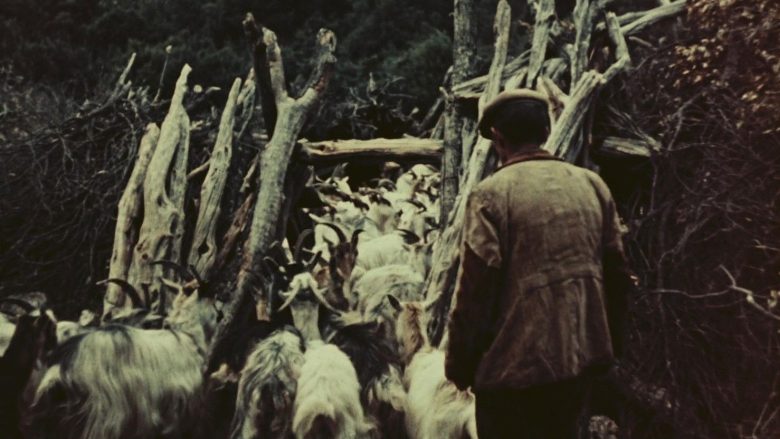
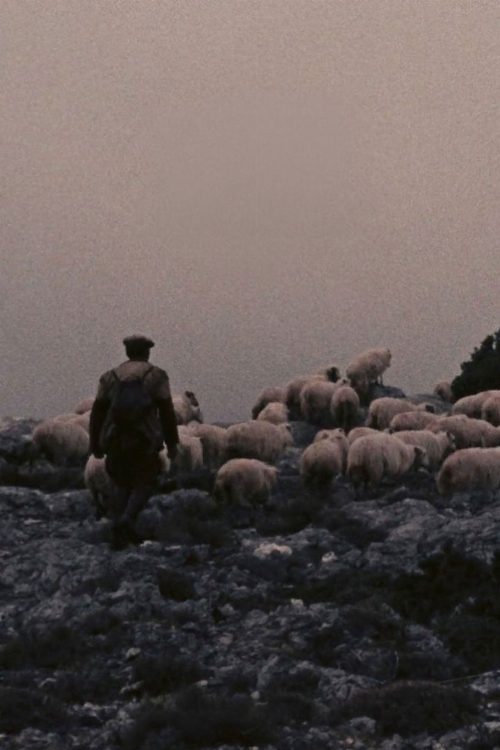
The striking landscapes of rural Sardinia provide the backdrop to this lyrical look at the hardscrabble lives of the region’s shepherds in winter.
The rugged interior of Sardinia serves as more than just a setting in the work of Vittorio De Seta; it acts as a silent protagonist that dictates the rhythmic existence of those who dwell within its unforgiving embrace. While contemporary audiences familiar with the high-octane drama of the Indian film industry might be accustomed to grand spectacles or stylized emotional crescendos, Orgosolos Shepherds offers a stark, meditative departure that strips cinema back to its elemental roots. By capturing the winter migration of pastoralists, the director moves away from traditional narrative artifice to embrace a form of observational storytelling that feels startlingly modern in its restraint. This film resonates with the same raw authenticity often found in the best of parallel cinema movements, where the focus shifts from manufactured conflict to the profound dignity of human struggle against a harsh natural environment.
What distinguishes this piece from standard ethnographic studies is the sheer poetic sensibility infused into every frame. De Seta avoids the trap of pity, instead presenting the lives of these men as an exercise in endurance and unspoken tradition. For viewers who appreciate the slow-burn intensity of regional Indian masterpieces that prioritize atmosphere over dialogue, this film provides a masterclass in visual storytelling. The director possesses a rare ability to find beauty in the mundane details of daily survival, turning the simple act of tending to a flock into a grand, almost mythic endeavor. It is a work that demands patience, rewarding those who are willing to sit with the silence and observe the subtle interplay between the landscape and the individual.
This film is essential viewing for anyone interested in the foundational language of world cinema. It stands as a testament to the power of the camera as a tool for preservation, documenting a way of life that was already fading into the shadows of history even as it was being captured. Those who are drawn to the gritty realism and social consciousness that frequently permeate the works of auteurs in the Malayalam or Marathi film circuits will likely find a kindred spirit in De Seta. He does not seek to explain or analyze his subjects through voiceover; he allows the wind, the stone, and the weary footsteps of the shepherds to provide the soundtrack for their own existence. In doing so, he ensures that these figures remain etched in the collective memory, not as subjects of an academic report, but as living, breathing icons of an enduring, rugged culture.
Crew
Director
Production Manager
Assistant Camera
Assistant Editor
Similar Films