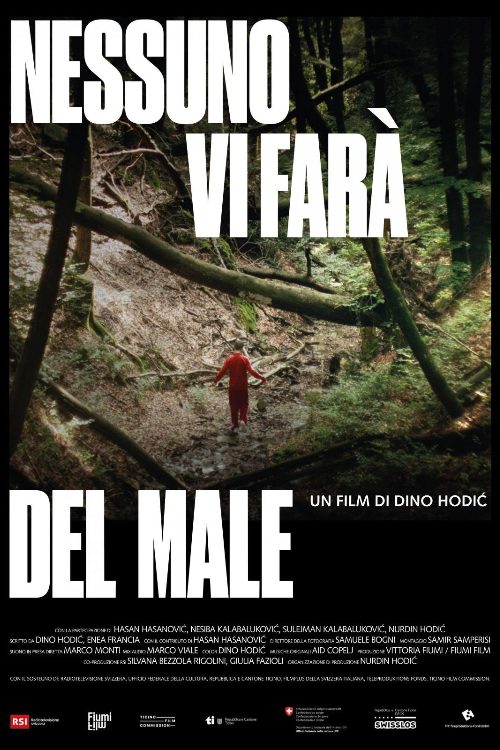
About No One Will Hurt You
Thirty years after Srebrenica, a filmmaker who fled to Switzerland as a child embarks on an intimate journey to the roots of his identity through the story of Hasan, one of the few survivors.
Dino Hodic delivers a hauntingly personal meditation on memory and displacement in his latest documentary project, No One Will Hurt You. By bridging the gap between his childhood escape to Switzerland and the enduring trauma of his home country, Hodic transforms what could have been a standard historical recount into a deeply visceral exploration of the human psyche. The film centers on the experiences of Hasan, a man who endured the unthinkable during the Srebrenica massacre, yet the narrative feels less like a traditional witness testimony and more like a shared excavation of suppressed grief. For audiences who appreciate the emotionally resonant, character-driven storytelling often found in the most profound works of world cinema, this film offers a rare, unflinching look at how the scars of the past continue to shape the architecture of the present.
The documentary arrives at a moment when global cinema is increasingly prioritizing stories of migration and identity, moving away from purely political commentary toward the quiet, interior lives of survivors. While the film is rooted in European history, its themes of displacement, the struggle to reconcile one's origins with a foreign upbringing, and the heavy burden of survival will resonate strongly with fans of international dramas who value authenticity over spectacle. Hodic manages to navigate the delicate balance between observer and participant, ensuring that the audience feels the weight of the silence that often accompanies such profound tragedy. It is a work of immense patience and empathy, demanding that viewers engage with the subject matter not as passive consumers of history, but as witnesses to an ongoing recovery.
This project stands out for its refusal to rely on sensationalist archival footage, opting instead for a minimalist approach that highlights the humanity of its subjects. By choosing an intimate lens, Hodic allows the quiet moments of reflection to speak louder than any conventional narrative structure could. Those who enjoy slow-burn documentaries that prioritize mood and introspection will find this to be an essential watch. As the film traces the threads of Hasan’s life, it invites us to reconsider how we process collective memory and the individual paths we take toward healing. It is a testament to the filmmaker’s maturity that he keeps the focus tightly on the emotional truth of his subject, crafting a piece of cinema that lingers long after the credits roll, urging us to consider the stories we carry and the ones we choose to leave behind.
Crew
Director
Producer
Director of Photography
Editor
Sound Editor
Sound Designer
Music
Similar Films