About Van Gogh: la follia della notte
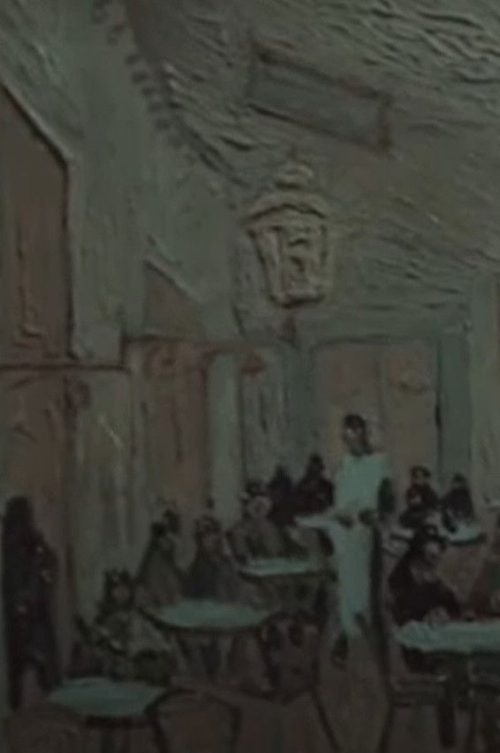
Looking back at the landscape of post-war European cinema, Gian Luigi Rondi crafted a hauntingly poetic examination of Vincent van Gogh that transcends the typical boundaries of the biographical documentary. While modern audiences are accustomed to high-gloss cinematic tributes, this 1952 Italian production offers a raw, tactile immersion into the artist’s turbulent psyche. By focusing on the nocturnal intensity that defined the Dutch painter’s final years, Rondi manages to strip away the mythologized celebrity that often surrounds the man, opting instead for a somber meditation on the relationship between isolation and creative genius. It is a work that feels less like a historical record and more like a visual dialogue with the ghosts of Arles, utilizing the stark limitations of the era to emphasize the flickering light of a troubled mind.
For viewers who appreciate the evolution of non-fiction storytelling, this film serves as a vital touchstone. It aligns with a period when Italian filmmakers were increasingly interested in the intersection of human fragility and the landscapes we inhabit, a stylistic bridge that echoes the emotional gravity found in contemporary Indian parallel cinema. Much like the works of masters who explored the internal struggles of their protagonists through atmospheric visual storytelling, Rondi relies on the weight of silence and the evocative power of the canvas to drive the narrative forward. The film invites us to look past the vibrant yellows and blues that define Van Gogh’s legacy, urging us to consider the profound, often painful silence that preceded those strokes of color.
This documentary is perfectly suited for cinephiles who value historical depth and the craft of early visual essays. It is not a broad, sweeping biography intended for a casual audience, but rather a focused character study that respects the intelligence of the viewer. Rondi’s approach feels remarkably ahead of its time, demonstrating a restraint that many modern biopics lack by refusing to over-explain the complexities of mental health. It remains an essential piece of viewing for those interested in how the medium of film can translate the language of painting into a moving, breathing entity. Even decades after its original release, the film stands as a testament to the idea that some artistic spirits are best understood through the shadows they left behind rather than the light they sought to capture.
Crew
Director
Similar Films