Interview with Salvador Allende: Power and Reason(1973)
About Interview with Salvador Allende: Power and Reason
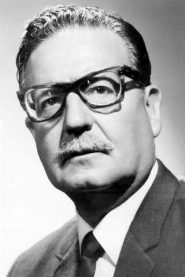
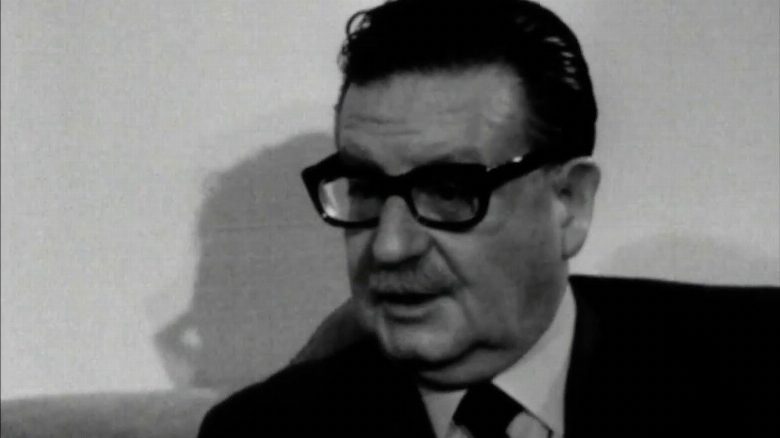
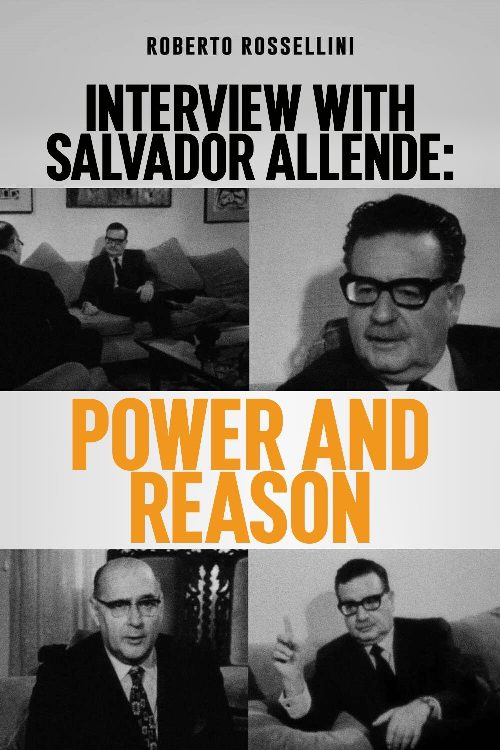
An interview with the president of Chile conducted by Roberto Rossellini in 1971, but broadcast only after his death.
Roberto Rossellini transformed the documentary landscape by turning his lens toward the shifting political tides of South America, resulting in a profound historical document that captures a leader at the precipice of national upheaval. Captured during a visit to Chile in 1971, this intimate conversation sits at the intersection of journalism and portraiture, offering a rare window into the intellectual framework of Salvador Allende. While contemporary global cinema often focuses on high-octane spectacle or stylized historical fiction, this piece serves as a stark reminder of the power inherent in the simple act of listening to a statesman articulate his vision for a nation. Its release history adds a haunting layer of gravity to the footage, as the dialogue gains an almost prophetic weight when viewed through the lens of the tragic events that followed.
For audiences accustomed to the vibrant, high-energy storytelling found in industries like Tollywood or the expansive narratives of Bollywood, this film offers a radical change of pace. It is a masterclass in minimalism, stripped of the artifice that defines modern political thrillers. Instead of rapid editing or dramatic reenactments, Rossellini relies on the steady gaze of his camera to draw out the complexities of Allende’s socialist agenda and his personal philosophy. This is essential viewing for students of history and cinephiles who appreciate the Italian neorealist influence on nonfiction filmmaking. It does not demand the same emotional shorthand as a commercial feature; rather, it invites the viewer to engage in a slow, analytical process of observation that is increasingly rare in our current media climate.
The relevance of this work extends beyond its archival value, speaking to the universal struggle between idealism and the entrenched structures of power. Rossellini, having already cemented his reputation as a pioneer of realistic cinema, brings an outsider’s curiosity to the Chilean political sphere. His ability to facilitate a candid, unadorned exchange makes the film a crucial artifact for those interested in the ethics of the documentary form. Viewers who enjoy films that challenge their perspective on governance and human agency will find much to unpack here. By centering the dialogue around reason and conviction, the film positions itself as a timeless study of leadership, proving that the most enduring images in cinema are often those that simply allow a historical figure to speak for themselves before the pages of history turn irrevocably.