About Kubi
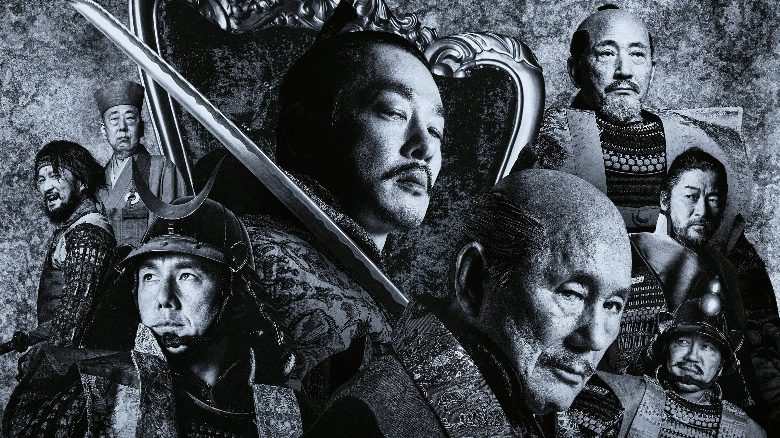
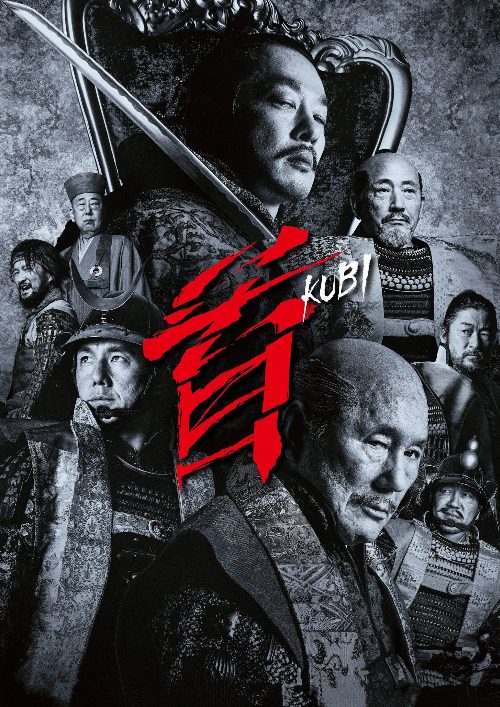
Lord Oda Nobunaga plans to control Japan where rival warlords battle by waging war against several clans. His vassal Araki Murashige stages a rebellion and promptly disappears.
Takeshi Kitano returns to the historical epic with a sharp, irreverent edge that challenges the polished aesthetic of traditional period cinema. In Kubi, the legendary filmmaker steps away from the stoic, minimalist crime dramas that defined his early career to immerse himself in the chaotic, blood-soaked landscape of the Sengoku period. Rather than delivering a conventional lesson in heritage or a romanticized account of samurai honor, the film acts as a dark, satirical exploration of power dynamics and the fragility of loyalty. By injecting a biting sense of humor into the brutality of civil war, Kitano positions the narrative as a subversive take on the historical genre, reminding international audiences why his unique voice remains vital in modern Asian cinema.
The plot centers on the shifting allegiances surrounding the ambitious Oda Nobunaga, a figure whose desire to unify the nation triggers a domino effect of betrayal and shifting loyalties. The core tension arises when a key vassal suddenly vanishes after launching an uprising, forcing a frenetic search that exposes the corruption and absurdity within the ruling class. For fans of Indian cinema who appreciate the scale of pan-Indian historical dramas like RRR or Ponniyin Selvan, this film offers a fascinating contrast. While those epics often lean into grand heroism and sweeping emotional stakes, Kubi opts for a gritty, cynical realism that highlights the human cost of political maneuvering. It is a film that values tactical deception and sharp dialogue as much as it does the clashing of blades.
Viewers who enjoy character-driven thrillers will find plenty to admire in the intricate web of alliances depicted here. It is particularly suited for those who prefer historical settings that do not shy away from the darker, often comedic aspects of human nature. Kitano proves once again that he is a master of blending disparate genres, moving seamlessly from intense action sequences to quiet, dialogue-heavy moments of mounting dread. The film serves as a testament to the enduring appeal of the jidaigeki format when it is treated with a modern, unflinching lens. Those who appreciate the craftsmanship of auteurs who control every frame will see the director reaching back to his roots while simultaneously pushing the boundaries of how we view the past. It is a bold, uncompromising piece of storytelling that cements his status as a cinematic provocateur, ensuring that the legacy of his craft continues to resonate with global audiences who crave substance over spectacle.
Cast(53)