About Apostasy
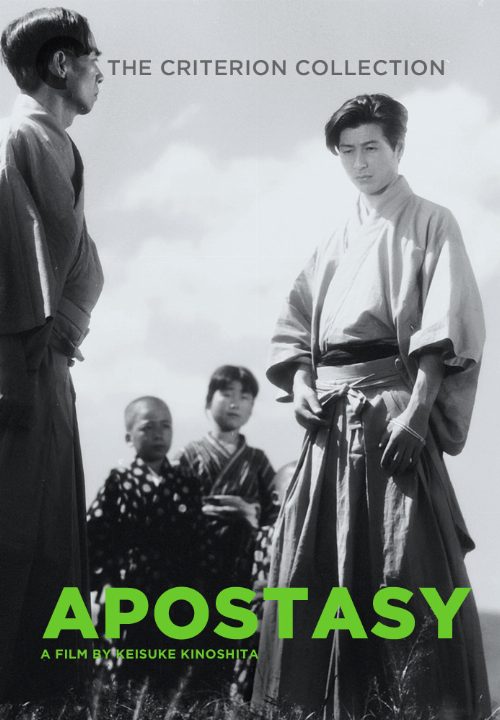
In the Meiji period, a schoolteacher tries to hide his lower-class upbringing as he supports a visiting liberal intellectual.
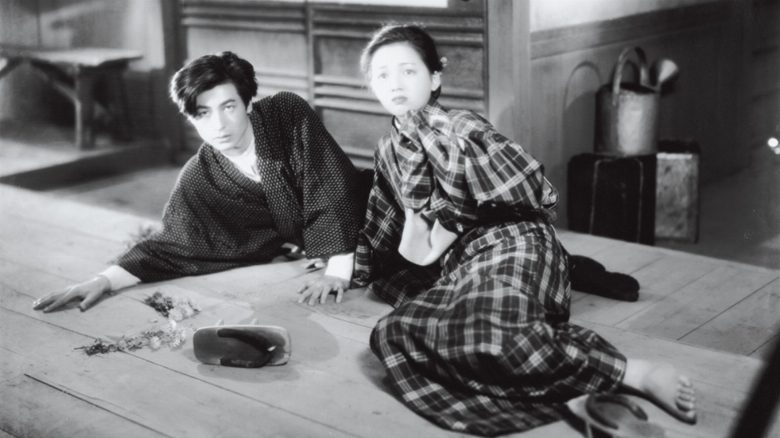
Few cinematic relics from the immediate post-war era capture the internal fractures of Japanese identity with as much gravity as the 1948 drama Apostasy. Emerging during a time when the nation was grappling with the dismantling of rigid social hierarchies, the film revisits the tumultuous Meiji era to explore the crushing weight of institutionalized discrimination. By centering its narrative on a schoolteacher who meticulously conceals his ostracized heritage, the story functions as a searing indictment of prejudice that feels surprisingly relevant even decades later. While many films of this period leaned into romanticized history, this work chooses the path of uncomfortable introspection, forcing the audience to confront the ethical cost of assimilation and the isolation inherent in maintaining a false public persona.
For followers of world cinema interested in how regional industries process historical trauma, this film offers a fascinating counterpoint to the more action-oriented or stylized features often associated with Japanese golden age output. The narrative tension is driven not by external spectacle but by the psychological strain of the protagonist as he navigates the arrival of a progressive intellectual figure who threatens to expose his fragile secret. The performances from Osamu Takizawa and Jukichi Uno anchor the film in a grounded, almost theatrical realism that emphasizes the claustrophobia of a society obsessed with pedigree. It is a quintessential piece for students of mid-century Asian cinema who appreciate slow-burn character studies that prioritize thematic depth over rapid pacing.
Directorial choices throughout the production suggest a keen awareness of the shifting political landscape in post-1945 Japan, where old caste systems were finally being challenged in the public sphere. By pulling back the curtain on the lives of those forced to live in the shadows of their own society, the film aligns itself with the humanistic movements that defined the era’s most respected directors. Viewers who gravitate toward literature-inspired dramas or historical accounts of social reform will find this a particularly rewarding watch. It stands as a testament to the power of film to act as a mirror for collective shame and personal redemption, proving that the struggle for authenticity remains a universal cinematic theme regardless of the decade or the language in which it is told.
Cast(11)