About Edo Porn
The world-famous woodblock artist Hokusai (1760-1849), a widower in need of a steady income, lives with his daughter Oei in the house of his friend Bakin.
In the annals of Japanese cinema, Nagisa Ōshima stands as a provocative voice, often challenging societal norms and historical narratives. His 1981 drama, Edo Porn, offers a fascinating, albeit fictionalized, glimpse into the later life of the iconic ukiyo-e artist Katsushika Hokusai, a figure whose influence on art history is immeasurable. Rather than a straightforward biopic, Ōshima crafts a narrative steeped in the cultural nuances of Edo period Japan, exploring themes of artistry, family, and the human condition through the lens of a legendary creator facing the twilight of his career. The film distinguishes itself by focusing on a less conventional aspect of Hokusai's life, positioning his later years not just as a period of continued artistic output, but also as a time of personal struggle and unconventional living arrangements.
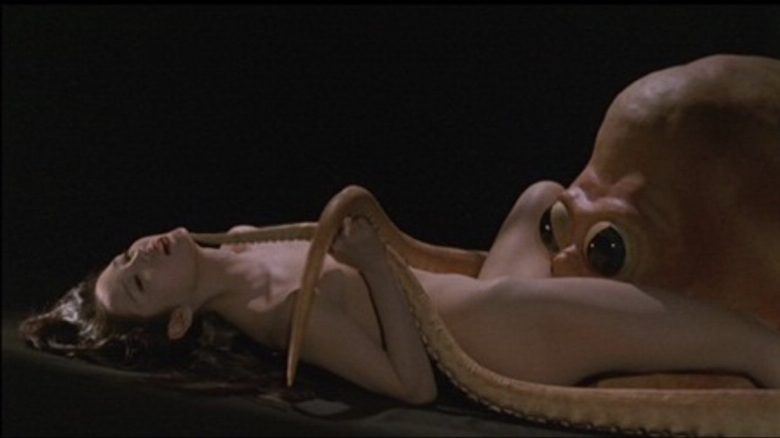
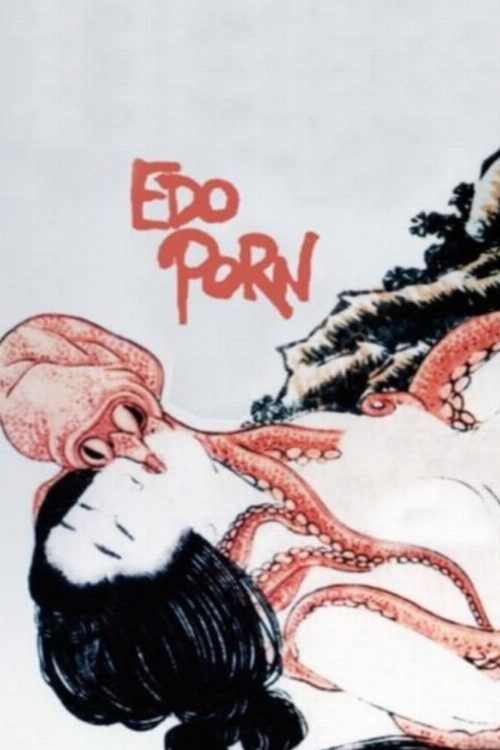
Edo Porn delves into a specific chapter of Hokusai's existence, portraying him as a widower residing with his daughter Oei in the home of his acquaintance, Bakin. This domestic setup provides the backdrop for a story that appears to examine the intersections of artistic genius, financial necessity, and familial bonds. The title itself, Edo Porn, is a deliberate choice by Ōshima, likely designed to spark curiosity and allude to the erotic nature often found in ukiyo-e, particularly shunga, a genre Hokusai himself explored. However, viewers expecting a purely explicit film might find themselves surprised by the depth of its dramatic exploration. Instead, it positions itself as a historical drama that uses the context of an artist known for his "pictures of the floating world" to comment on broader societal values and personal freedoms during that era. It's a film that will appeal to cinephiles drawn to historical dramas that are less about factual recounting and more about thematic exploration, particularly those interested in Japanese culture and the lives of unconventional artists.
Ōshima, known for his unflinching gaze in works like In the Realm of the Senses, brings his distinctive directorial style to Edo Porn. He crafts an atmosphere that feels both historically grounded and subtly subversive, characteristic of his filmography. Hiroshi Asami's portrayal of Hokusai is central to the film's appeal, anchoring a story that explores the complexities of an aging artist grappling with his legacy and his immediate circumstances. This isn't a film for those seeking a lighthearted historical romp; instead, it promises a thoughtful and perhaps challenging look at an artistic titan, inviting audiences to consider the personal lives behind the masterpieces and the cultural context that shaped them, all through the unique vision of a director unafraid to provoke and question.