About Frozen River
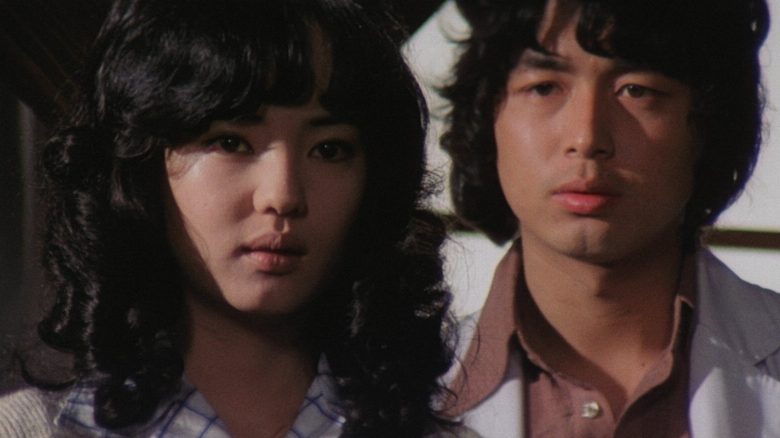
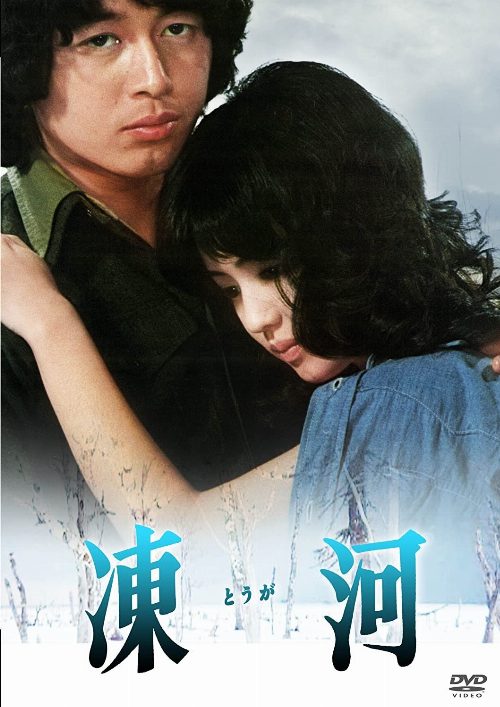
A young doctor starts working at a mental hospital in the Yokohama region and falls in love with one of the patients there.
The stark, melancholic landscapes of 1970s Japanese cinema often served as a backdrop for profound explorations of human fragility, and Koichi Saito captures this essence with haunting precision in Frozen River. By centering the narrative on the delicate intersection between medical duty and forbidden emotional attachment, the film transcends the conventions of a typical period romance. It moves beyond simple melodrama, positioning the Yokohama mental institution not merely as a clinical setting but as a microcosm of societal isolation. The tension arises from the volatile dynamic between the protagonist, a burgeoning physician, and the patient who challenges his professional detachment. This is a character-driven study that prioritizes atmosphere and the unspoken weight of human connection over grand, sweeping gestures.
Within the broader landscape of Japanese film history, this work occupies a niche space that bridges the gap between traditional sensibilities and the shifting social dynamics of the seventies. Director Koichi Saito demonstrates a keen eye for framing the internal turmoil of his subjects against the backdrop of a changing Japan, where the boundaries between sanity and societal expectations were increasingly blurred. The performance of Masatoshi Nakamura provides a grounding force, capturing the vulnerability of a man caught between the rigid ethics of his vocation and the pull of a volatile heart. For viewers who appreciate the slow-burn intensity found in the works of directors like Nagisa Oshima or the quiet, existential angst of the era, this film offers a compelling, if deeply somber, experience.
Audiences who gravitate toward international classics that favor mood and psychological depth will find much to admire here. It is an ideal watch for those interested in how the medical drama genre was utilized to critique power structures and the definition of normalcy during that decade. The film does not offer easy resolutions or comforting tropes; instead, it invites the audience to sit with the discomfort of its central dilemma. By focusing on the nuances of human longing within the confines of a restrictive institution, the production remains a significant entry in the filmography of its cast and crew. It serves as a stark reminder of the power of visual storytelling to evoke empathy in environments where communication is fractured, making it an essential viewing experience for students of global cinema who seek to understand the emotional textures of the Japanese New Wave periphery.