About Gonin 2
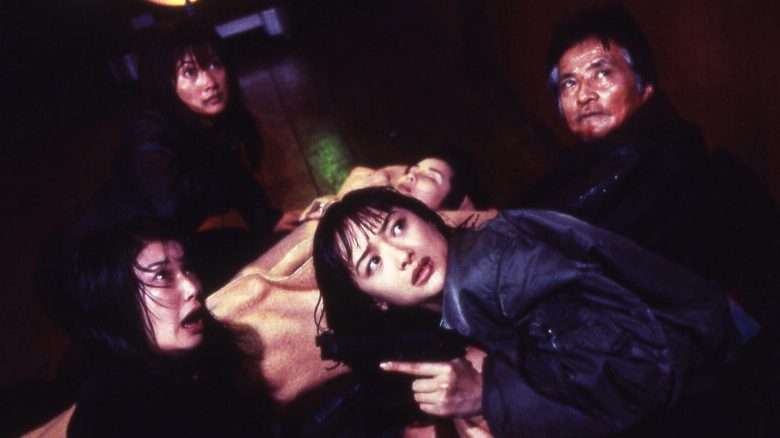
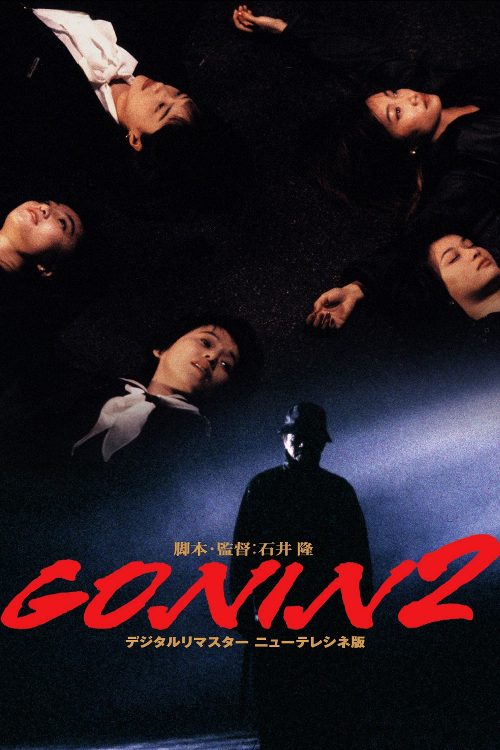
Five women snatch one billion yen in jewellery from the yakuza, while construction manager Toyama burns for revenge against the mobsters who raped and caused the death of his wife. Before long, the yakuza and Toyama arrive at the women's hideout.
Takashi Ishii returns to the gritty, neon-soaked underworld in Gonin 2, a sequel that shifts its focus from the original ensemble to a fresh, volatile group of protagonists. While the first film became a cult staple of Japanese cinema for its stylized violence and fatalistic atmosphere, this follow-up carves out its own identity by placing five women at the center of a high-stakes heist. By targeting the vast wealth of a powerful criminal syndicate, these characters trigger a chaotic chain reaction that draws in a vengeful construction manager, Toyama, who is consumed by the trauma of his wife’s tragic demise at the hands of the same mobsters. The result is a collision of desperate agendas where the line between victim and perpetrator blurs amidst a backdrop of betrayal and sudden, explosive brutality.
For those who appreciate the evolution of the yakuza genre, this film offers a fascinating departure from traditional masculine posturing. It sits comfortably alongside the era of intense Japanese action features that prioritized mood and visual flair over standard narrative tropes. Fans of directors like Quentin Tarantino or John Woo, who often draw inspiration from this specific period of Japanese crime thrillers, will find the aesthetic sensibilities here particularly resonant. It is a work defined by its relentless momentum and the cold, unforgiving nature of its urban landscape, making it an essential watch for viewers who enjoy character-driven tension set against a backdrop of organized crime. The film manages to maintain a distinct, noir-inspired tension that keeps the audience guessing about which of these disparate characters will survive the inevitable final confrontation.
The inclusion of actors like Naoto Takenaka highlights the pedigree of a production that values performance even within the constraints of an action-heavy script. The film functions as a stark exploration of how trauma fuels the desire for retribution, whether that retribution is motivated by financial gain or a deeply personal vendetta. It captures a specific moment in Japanese commercial cinema where filmmakers were pushing the boundaries of morality, creating protagonists who exist in a moral gray area. For audiences who enjoy international crime dramas that favor dark, moody atmosphere and complex character motivations, this entry into the series provides a compelling, if harrowing, experience. It remains a notable example of how Ishii uses the crime genre to dissect the desperation inherent in people pushed to their absolute limits.
Cast(17)