
Into a Dream(2005)
About Into a Dream
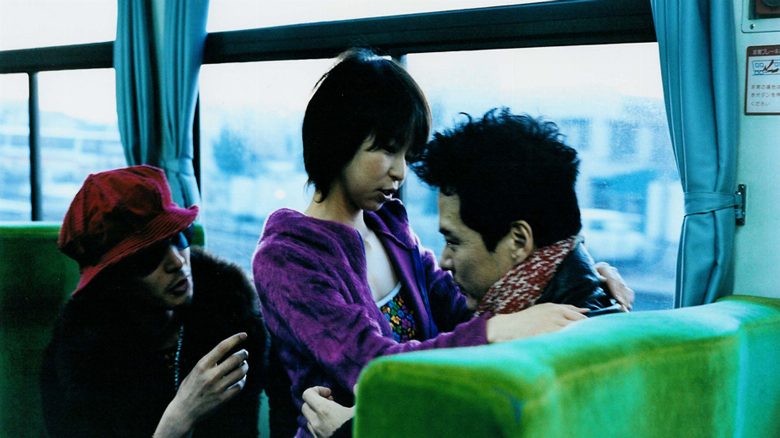
Low-profile theatre troupe actor Mutsugoro Suzuki begins an oneiric journey home, marked by his quest to find the one responsible of infecting him with a STD.
The 2005 Japanese drama Into a Dream offers a surreal and deeply introspective look at the intersection of mundane existence and the subconscious mind. Centered on a struggling stage performer named Mutsugoro Suzuki, the film follows his peculiar pilgrimage back to his hometown. While the premise may sound like a straightforward character study, the narrative quickly dissolves into a hazy, dreamlike structure that blurs the lines between reality and psychological projection. By eschewing conventional storytelling, the film invites viewers into a fractured consciousness where past regrets and present anxieties manifest in bizarre, often unsettling encounters. It is a work that prioritizes atmosphere and internal exploration over linear progression, making it a quintessential piece of independent Japanese cinema from the mid-2000s.
For those who follow the trajectory of lead actor Jun Murakami, this performance remains a compelling study in vulnerability and confusion. Murakami brings a specific brand of weary charm to the screen, embodying a man caught in a tailspin of existential dread. The film functions as a stark departure from the polished aesthetics often found in mainstream studio productions of the era, opting instead for a gritty, theatrical intimacy that mirrors the protagonist's own background in the performing arts. The supporting cast, featuring Miwako Ichikawa and Rena Komine, adds layers of ambiguity to the journey, ensuring that every interaction feels laden with hidden meaning. The director crafts a visual language that feels intentionally claustrophobic, pulling the audience into the protagonist's singular, often isolating worldview.
This film is an ideal selection for spectators who appreciate slow-burn narratives that demand patience and active interpretation. It is not designed for those seeking easy answers or traditional genre thrills; rather, it caters to fans of abstract dramas who enjoy dissecting the psychological weight of a character's journey. By focusing on a deeply personal quest—the search for the individual who altered the protagonist's health—the script transforms a potentially sordid subject into a poignant metaphor for the loss of control and the search for accountability. As a piece of world cinema, it highlights the strength of the Japanese indie scene during the early 2000s, proving that even the most grounded settings can become haunting landscapes when filtered through a lens of profound emotional instability. Whether viewed as a character study or a surrealist experiment, the work remains a distinct entry in the canon of Japanese dramas, lingering in the mind long after the final frame.