About Marching On
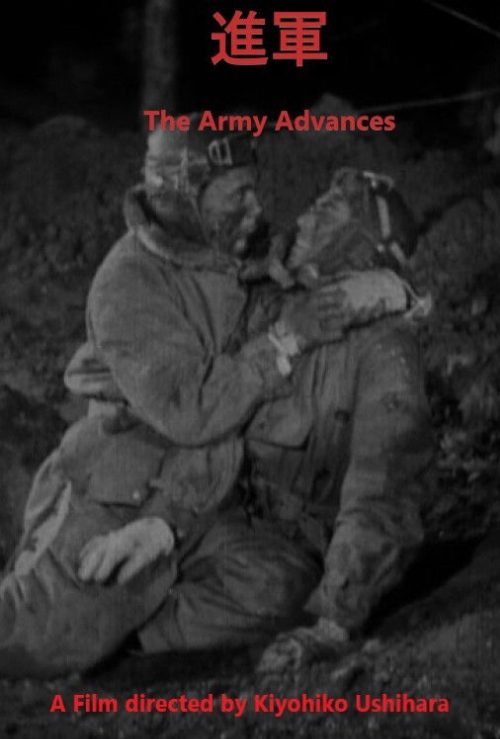
A farmer’s boy, obsessed with his balsa-and-paper flying models and with dreams of real aircraft, develops a friendship with the daughter of the local squire, who introduces the lad to her pilot brother and his flying officer friends; through hard work, and despite the handicap of a lowly class status, he eventually succeeds in qualifying as a pilot and joining the air force.
The early cinematic landscape of Japan often prioritized grand narratives of national identity, yet Marching On finds its strength in the intimate, aspirational journey of a young man defying his social station. By focusing on a rural youth fixated on the mechanics of flight, the film navigates the rigid class structures of the era with a surprising degree of optimism. Unlike many contemporary war dramas that lean heavily into militant spectacle, this 1930 production chooses to anchor its emotional core in the tactile joy of building model aircraft. It serves as a fascinating historical artifact, capturing a moment when the dream of aviation was synonymous with modern progress and the breaking of traditional boundaries.
For cinephiles who appreciate the evolution of world cinema, this film offers a compelling glimpse into how pre-war Japanese studios framed the concept of individual mobility. While modern audiences might be accustomed to high-octane aerial combat sequences, this narrative is grounded in the quiet tension of personal ambition against the backdrop of a squirearchy. The chemistry between the protagonist and his mentors—who bridge the gap between his humble origins and the elite world of flight officers—provides the necessary friction to drive the story forward. It is a quintessential underdog tale that mirrors themes found in global cinema, where the protagonist must prove his worth through rigorous discipline and technical mastery rather than mere inheritance.
The direction by Eiran Yoshikawa showcases a careful balance between the pastoral beauty of the countryside and the industrial allure of early aviation. Viewers who enjoy character-driven dramas that explore the intersection of technology and human spirit will find this particularly engaging. It is an ideal watch for those curious about the roots of Japanese dramatic storytelling, especially given how the film manages to humanize the military establishment through the lens of a dreamer. By highlighting the mentorship dynamics and the technical obsession of the lead character, the film transcends its historical period to offer a universal message about the persistence required to reach one's goals. Whether you are a dedicated scholar of vintage international films or someone who values the history of aviation in media, this production remains a poignant study of class and aspiration that continues to resonate decades after its initial release.
Cast(15)