About Mother
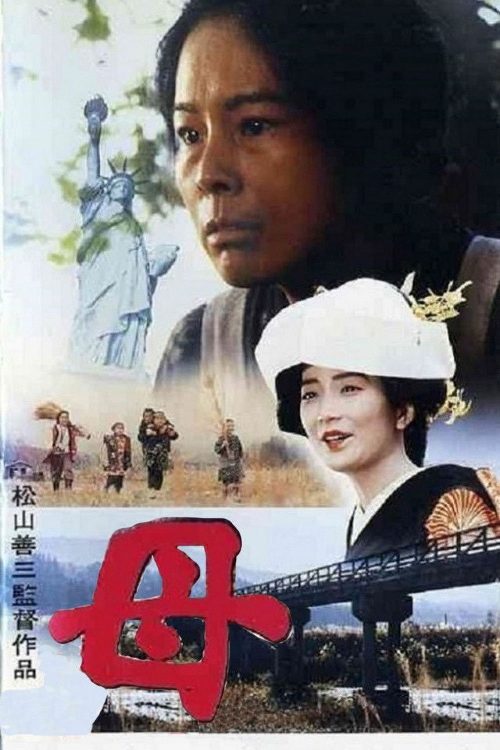
From the point-of-view of the children, "Mother" tells the story of the most unappreciated, loving and giving mother, who would sacrifice her own life, and sometimes the life of others, for her loved ones. In the autumn of 1955, a family of five children is living in the Tohoku area. In order to take care of her paralysed husband, the mother has to sacrifice her five children by giving them away. The children has to suffer all the loneliness and hardships that this decision has brought them. 15 years have passed, all five of them have got married. Now, they come to understand that their mother's love for them was the greatest love of all.
Few cinematic portraits manage to capture the raw, aching complexity of maternal sacrifice with the quiet intensity found in the 1988 Japanese drama Mother. Directed by Zenzo Matsuyama, the film navigates the harrowing moral landscape of post-war Japan, focusing on a woman whose devotion to her ailing spouse forces her into an agonizing dilemma that forever alters the trajectory of her household. By centering the narrative on the perspective of her offspring, the film explores how the seeds of trauma planted during their childhood eventually bloom into a profound, albeit complicated, appreciation for the woman who felt compelled to surrender her kin to ensure their survival. This is not a film of grand gestures or cinematic artifice, but rather a somber meditation on the invisible burdens carried by women in traditional family structures.
For viewers accustomed to the high-octane emotional beats prevalent in contemporary Indian cinema, particularly the deep-rooted family sentimentality often found in Telugu and Tamil family dramas, Mother offers a starkly different aesthetic experience. While South Indian cinema frequently utilizes melodrama to heighten the stakes of familial duty, Matsuyama employs a restrained, stoic lens that reflects the specific social pressures of the Tohoku region in the mid-1950s. The film serves as a poignant reminder that the language of sacrifice is universal, yet its delivery is heavily shaped by cultural expectations of duty and endurance. Jitsuko Yoshimura delivers a performance of remarkable depth, grounding the narrative in a reality that feels both specific to its time and timeless in its emotional weight.
Audiences who gravitate toward slow-burn character studies or historical dramas that examine the fragility of the family unit will find this work particularly resonant. It is a film for those who appreciate cinema that lingers on the quiet moments of longing and the long-term psychological echoes of childhood separation. As the narrative bridges the gap between the mid-century struggles of the parents and the eventual understanding reached by the adult children decades later, the film challenges the audience to consider the cost of unconditional love. By moving away from the archetypal saintly mother figure, the director invites viewers to engage with a more flawed, human, and ultimately haunting vision of parenthood. It stands as a testament to the endurance of the human spirit when faced with impossible choices, marking a significant entry in the canon of Japanese dramas that prioritize internal emotional landscapes over external spectacle.