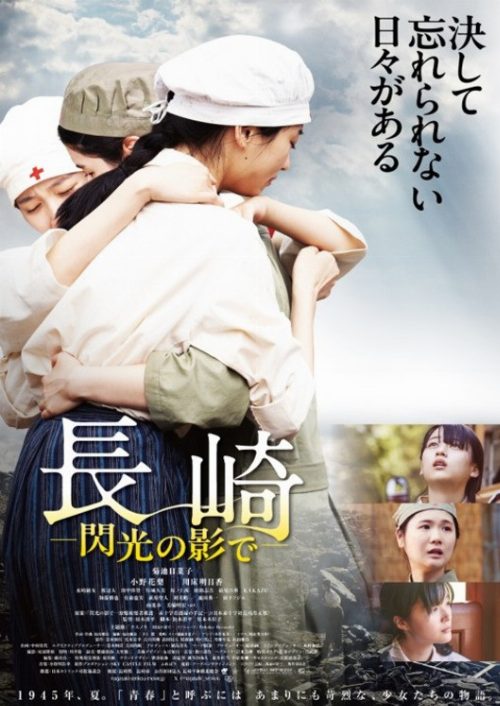
About Nagasaki: In the Shadow of the Flash
Nagasaki, 1945. Three nursing students, Tanaka Sumi, Ohno Atsuko, and Iwanaga Misao, return home when school is closed due to air raids, and spend some peaceful time with family and friends. However, at 11:02 AM on August 9th, the atomic bomb is dropped, and their daily lives are instantly shattered. The city is reduced to ruins, and despite their inexperience, the nursing students rush to provide medical care to the injured. Faced with the cruel reality that more lives must be buried than can be saved, the women continue to question the value and meaning of life.
The haunting echoes of history resonate with profound gravity in Nagasaki In the Shadow of the Flash, a harrowing exploration of human resilience amidst the total collapse of civilization. While global audiences are often familiar with the broader geopolitical narratives of the Second World War, director Junpei Matsumoto pivots away from grand military strategy to focus on the intimate, devastating experiences of three young nursing trainees. By centering the story on the fragile transition from domestic normalcy to the absolute catastrophe of August 1945, the film captures the psychological chasm left by the atomic blast. It is a work that demands patience and emotional fortitude, positioning itself as a vital piece of cinema that prioritizes the visceral, lived experience of survivors over spectacle.
The film distinguishes itself by framing the tragedy through the eyes of those who were tasked with healing the broken when their own worlds had vanished. For admirers of Japanese period dramas, this production serves as a sobering counterpart to the recent wave of historical features that examine the toll of conflict on the youth. Matsumoto utilizes the stark contrast between the quiet rhythms of local life and the sudden, blinding intensity of the explosion to highlight how quickly societal structures evaporate. This approach resonates with the current cinematic trend in Asian film industries, which increasingly favors character-driven meditations on morality and survival rather than traditional war heroics. It is a testament to the cast, including Hinako Kikuchi and Asuka Kawatoko, that they convey such immense weight without relying on melodrama, grounding the narrative in a raw, almost documentary-like authenticity.
Viewers who appreciate slow-burning, emotionally rigorous storytelling will find this film deeply impactful. It is not merely a chronicle of destruction but a philosophical inquiry into the nature of duty when faced with impossible odds. By focusing on the moral struggle of the nurses, the narrative challenges us to consider what remains of our humanity when the environment itself is hostile. Those who follow the evolution of East Asian cinema will recognize the meticulous attention to period detail and the somber, reflective tone that has become a hallmark of contemporary Japanese prestige dramas. For anyone interested in how cinema preserves the memory of collective trauma, this story offers a harrowing yet necessary reflection on the fragility of our existence. It stands as a significant cinematic effort that honors the legacy of its subjects while asking uncomfortable, timeless questions about the cost of peace.