
About Night Scandal
The mid-sixties in Japanese cinema represented a fascinating crossroads where the traditional aesthetics of the postwar era began colliding with the burgeoning anxieties of a rapidly modernizing society. Night Scandal emerges from this specific cultural crucible, offering a lens into the moral ambiguities that defined urban life during a period of immense economic transition. Directed by Yusuke Watanabe, the film functions as a sharp observation of human fragility hidden beneath the veneer of social respectability. By focusing on the tension between public reputation and private transgressions, Watanabe crafts a narrative that feels remarkably prescient, anticipating the dark, psychological explorations that would later become staples of independent international drama. The film avoids the melodramatic traps common to the decade, opting instead for a deliberate, tension-filled atmosphere that keeps the audience questioning the integrity of its central figures.
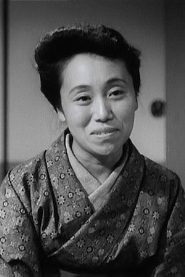
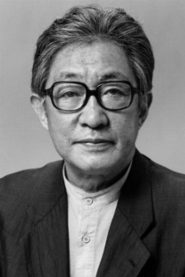
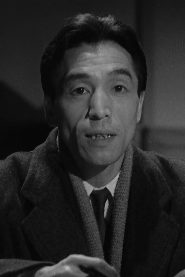
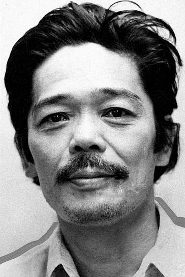
The strength of the project lies in its ensemble cast, which features heavyweights like Seiji Miyaguchi and Kazuo Kitamura. Their ability to convey complex inner turmoil through subtle gestures grounds the production, allowing the viewer to navigate the murky waters of the plot without feeling lost. Mayumi Ogawa brings a compelling intensity to her role, serving as a catalyst for the shifting power dynamics that keep the story moving at a measured, almost hypnotic pace. For modern audiences who appreciate the meticulous framing and deliberate pacing of classic mid-century world cinema, this film offers a masterclass in tension building. It is a quintessential pick for viewers who enjoy character-driven dramas that prioritize atmosphere and psychological depth over simple plot resolutions.
For those tracking the evolution of Japanese film, this work serves as an essential bridge between the grand, sweeping humanistic traditions of the fifties and the grittier, more cynical urban tales that would dominate the late sixties. It captures a fleeting moment when the rigid societal structures of the past were beginning to fracture under the weight of new, unspoken desires. Watanabe demonstrates a keen eye for the claustrophobic nature of city life, making the environment itself feel like a participant in the unfolding drama. While it may have been overshadowed by larger commercial spectacles at the time of its release, its influence is evident in the way it handles themes of guilt and societal scrutiny. It remains a sophisticated, thought-provoking piece of history that speaks to the universal struggle of maintaining one’s mask when the shadows of one’s choices begin to close in.
Cast(11)