About Phoenix
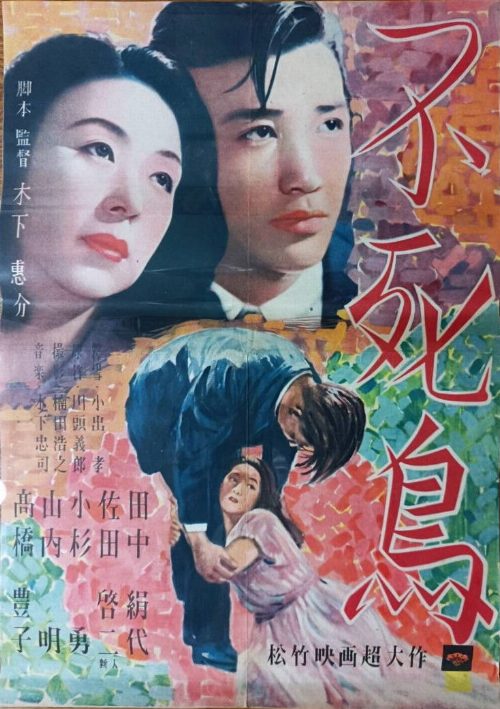
A Japanese war widow recalls her love affair with her deceased husband.
Stepping back into the aftermath of the Second World War, the 1947 production Phoenix serves as a poignant reminder of how post-conflict cinema often grappled with the intimate scars left behind by global tragedy. While modern Indian audiences are accustomed to the high-octane emotional crescendos found in contemporary Telugu or Hindi melodramas, this Japanese classic offers a more restrained, contemplative look at the intersection of grief and memory. The narrative centers on a woman navigating the quiet desolation of life as a war widow, choosing to confront the phantom of her past rather than bury it. It stands out from the landscape of mid-forties filmmaking by focusing not on the battlefield, but on the silent, domestic interiority that persists long after the cannons fall silent.
The film serves as a compelling study for viewers interested in the evolution of Eastern storytelling, particularly those who appreciate the nuanced performances of Kinuyo Tanaka. Her portrayal anchors the film, providing a bridge between the traditional values of a shattered era and the uncertain dawn of a new social order. Much like the period dramas that have seen a resurgence in regional Indian cinema, this picture relies heavily on atmosphere and character study rather than plot-driven spectacle. It is a quintessential piece for students of world cinema who want to understand how filmmakers in the late 1940s processed national trauma through the lens of personal romance. By centering the story on the subjective recollection of a lost love, the director creates a space where history is viewed through the prism of individual endurance rather than political rhetoric.
Audiences who gravitate toward the sophisticated emotional tapestries of Malayalam masterworks or the character-driven dramas of the golden age of Indian film will likely find a familiar rhythm here. The pacing is deliberate, demanding patience and empathy from the viewer as the protagonist unpacks her history. It is positioned as a testament to the resilience of the human spirit, capturing the delicate balance between moving forward and honoring what has been lost. Whether one is a seasoned scholar of Japanese film history or a casual enthusiast looking to expand their horizons beyond the current blockbusters of the Indian industry, this film provides a meditative experience that transcends its specific time and place. It remains a hallmark of how cinema can act as a vessel for collective healing, turning the act of remembering into a profound artistic statement that continues to resonate decades after its initial release.
Cast(12)