Sakura Guardian in the North(2018)
About Sakura Guardian in the North
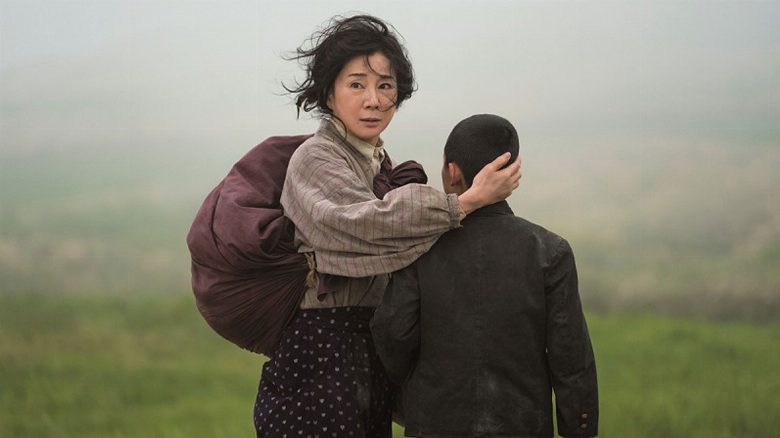
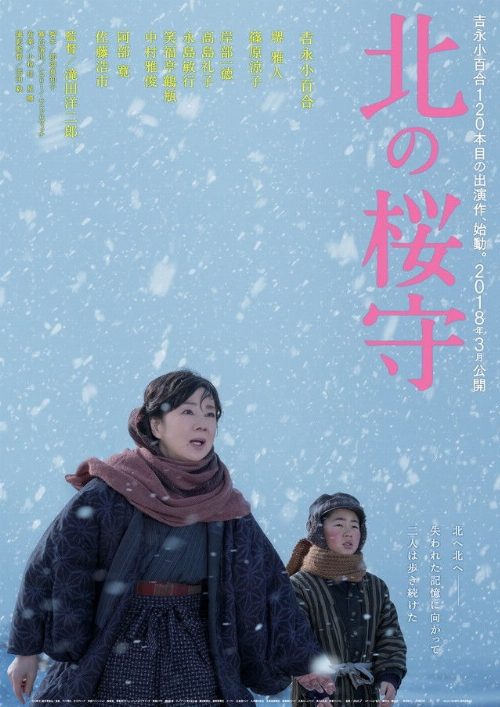
The film follows the relationship between a mother and her son. In 1945, the mother played by Sayuri Yoshinaga fled with her two sons from the Russians to Hokkaido. In 1972, her son played by Masato Sakai returns to Japan after finding success in the U.S.
The haunting beauty of the Japanese landscape serves as more than just a backdrop in Sakura Guardian in the North, a poignant exploration of fractured familial bonds and the heavy toll of historical upheaval. While contemporary Indian cinema often leans into high-octane spectacle or gritty realism, this Japanese drama offers a meditative alternative, focusing on the quiet, lingering scars left by the Second World War. By anchoring its narrative in the physical migration from the Soviet-occupied territories to the rugged frontier of Hokkaido, the film captures a specific sense of displacement that resonates deeply with global audiences familiar with the trauma of partition or regional conflict. It is a masterclass in subtlety, favoring the weight of unspoken history over the melodrama often found in similar mother-son sagas.
The film distinguishes itself through a dual-timeline structure that highlights the stark contrast between the desperate survivalism of 1945 and the polished, detached reality of 1972. Masatoshi Nakamura delivers a performance that feels carefully calibrated, grounding the narrative even as it navigates decades of emotional distance. For viewers who appreciate the slow-burn storytelling found in acclaimed Malayalam or auteur-driven Hindi cinema, this work provides a similar intellectual reward. It is not a film designed for quick consumption; rather, it demands patience as it peels back the layers of a mother who sacrificed everything to secure a future for her children, only to find that success and distance are not always synonymous with reconciliation.
This production is particularly notable for how it handles the weight of memory. Much like the way regional Indian films have recently begun to interrogate the domestic impact of larger historical shifts, this story positions the domestic sphere as the ultimate battleground for healing. It will likely appeal to those who gravitate toward character studies that prioritize psychological depth over traditional plot beats. By focusing on the internal landscape of its protagonists, the film manages to elevate a local story into a universal commentary on the immigrant experience and the inevitable generational divide. It stands as a testament to the enduring power of classic dramatic storytelling, proving that even within a quiet, intimate frame, a filmmaker can capture the immense, tectonic shifts of an entire lifetime.
Cast(11)