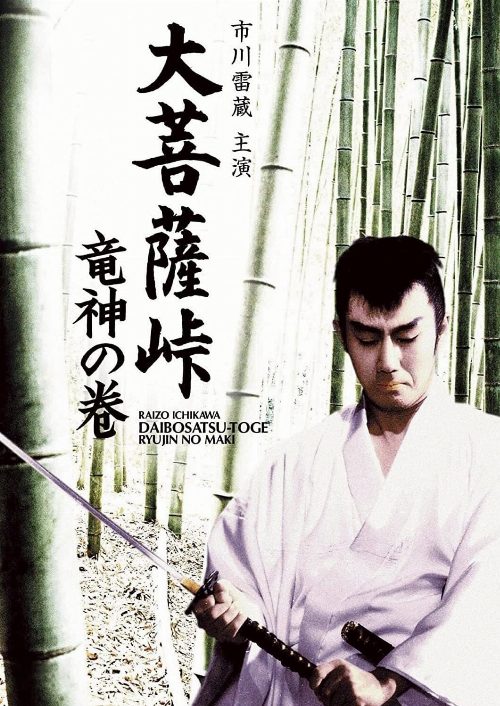
Satan's Sword: The Dragon God(1960)
About Satan's Sword: The Dragon God
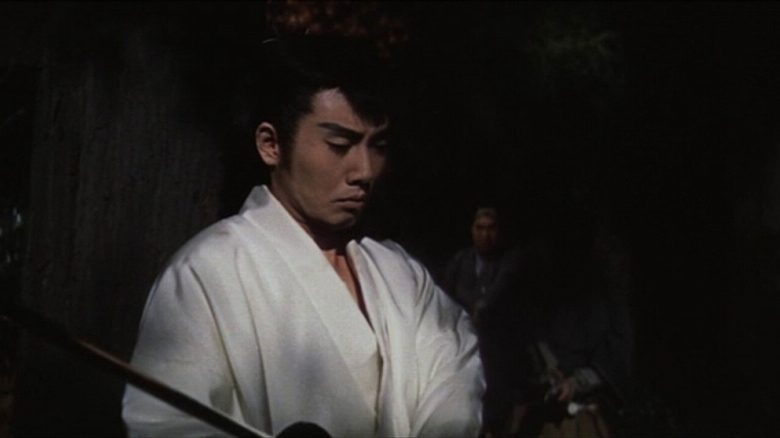
The sequel to Daibosatsu tôge (1960) and the second of the trilogy follows the adventures of Ryunosuke Tsukue after he is blinded.
Stepping into the dark, jagged world of 1960s Japanese period cinema, Satan’s Sword: The Dragon God offers a fascinating look at the evolution of the samurai archetype. While global audiences often associate the genre with the heroic nobility found in the works of Akira Kurosawa, this film presents a starkly different trajectory, focusing on the internal decay of a lethal swordsman. As the second entry in the trilogy, the narrative shifts from simple combat to a more psychological exploration of consequence. Director Kenji Misumi demonstrates his mastery of the jidaigeki format here, utilizing precise framing and a somber atmosphere to mirror the fractured mental state of his protagonist. For viewers accustomed to the high-octane energy of modern Indian action cinema, where the protagonist is typically a paragon of righteousness, this film serves as a jarring but rewarding departure, highlighting a character defined by his capacity for cruelty rather than his moral compass.
The film is particularly notable for its portrayal of Ryunosuke Tsukue during a pivotal moment of physical vulnerability. By stripping away his primary tool of dominance, the story forces a shift in tension that relies less on grand spectacle and more on the claustrophobic anxiety of a man losing his grip on reality. This approach resonates with the broader global trend of the anti-hero, a figure who remains as relevant today in Tamil and Malayalam noir thrillers as it was in the mid-century Japanese studio system. The cinematography captures the bleakness of the landscape in a way that feels almost suffocating, grounding the supernatural elements of the title in a gritty, historical reality. It is a stylistic choice that elevates the project beyond a standard sequel, turning it into a character study that demands full attention to the subtle shifts in performance.
Audiences who appreciate the deliberate pacing of classic international dramas or those intrigued by the historical roots of the modern assassin subgenre will find much to admire in this production. It stands as a testament to how regional industries, whether in Tokyo or Hyderabad, have long used the framework of period storytelling to dissect the human condition. While the narrative is firmly rooted in its specific cultural moment, the themes of retribution and psychological collapse remain universal. By focusing on a figure who rejects traditional codes of honor, the film creates a unique bridge between pure exploitation cinema and deeper, more introspective historical drama, solidifying its place as a cornerstone of the sword-fighting tradition that continues to influence filmmakers worldwide.