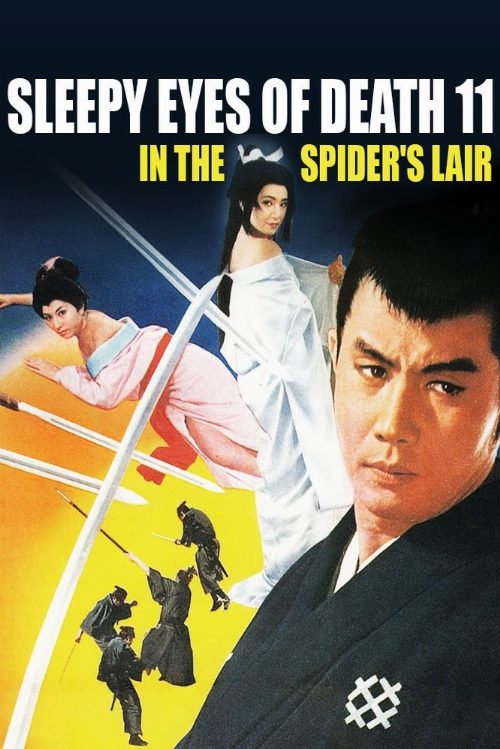
Sleepy Eyes of Death 11: In the Spider's Lair(1968)
About Sleepy Eyes of Death 11: In the Spider's Lair
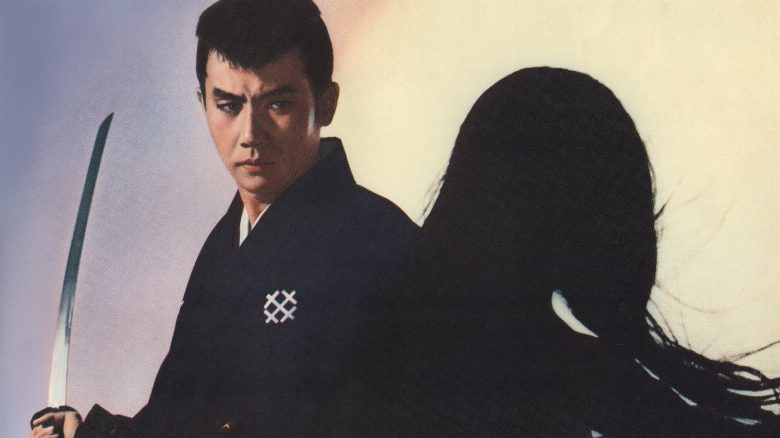
The titular "tarantula" is a murderous woman who, along with the brother who is in love with her, kill without warrant because they are wealthy & above the law. Kyoshiro the homeless masterless wandering samurai has nothing to lose, & no scruples anyway, so can reproach even the powerful with ease. He is thus, for all that he has broad streaks of villainy all his own, a champion of the people by default.
The shadow of the wandering ronin looms large over the history of Japanese period cinema, yet few figures cut quite as sharp a silhouette as the protagonist of the Sleepy Eyes of Death series. In this eleventh installment, directed by Kimiyoshi Yasuda, the narrative leans heavily into the darker impulses of the jidaigeki genre, trading traditional notions of honor for a gritty exploration of moral decay. Raizo Ichikawa returns to his signature role, portraying a masterless swordsman whose cynicism serves as his primary shield against a corrupt feudal society. Unlike the righteous heroes often found in contemporary Indian cinema, such as the stoic vigilantes of recent Telugu or Tamil action dramas, this character operates in a grey zone where personal gain and social justice uncomfortably intersect.
The plot centers on a predatory sibling duo whose influence and affluence shield them from the consequences of their lethal whims. This setup provides a perfect foil for a protagonist who possesses no social standing to protect and no reputation to uphold. For audiences accustomed to the high-octane emotional stakes of South Indian commercial epics, this film offers a fascinating contrast. While it lacks the rhythmic song sequences and grand scale of modern hits, it compensates with a taut, claustrophobic tension that highlights the vulnerability of the common folk against untouchable elites. Yasuda maintains a steady, methodical pace, ensuring that the inevitable clash between the wandering drifter and the aristocratic villains feels earned rather than merely performative.
Viewers who enjoy character-driven period pieces will find much to admire in the film’s stark aesthetic and its refusal to offer easy heroism. It is a quintessential entry for those who appreciate the evolution of the anti-hero, serving as a reminder that the most compelling fighters are often those who have nothing left to lose. By positioning its lead as a man who is as dangerous as he is disillusioned, the movie avoids the trap of sentimentality, instead delivering a cold, calculated look at power dynamics. It remains a standout for fans of classic world cinema who are looking to understand the stylistic roots of the modern action thriller, proving that the archetype of the lone swordsman remains as relevant and menacing as ever.