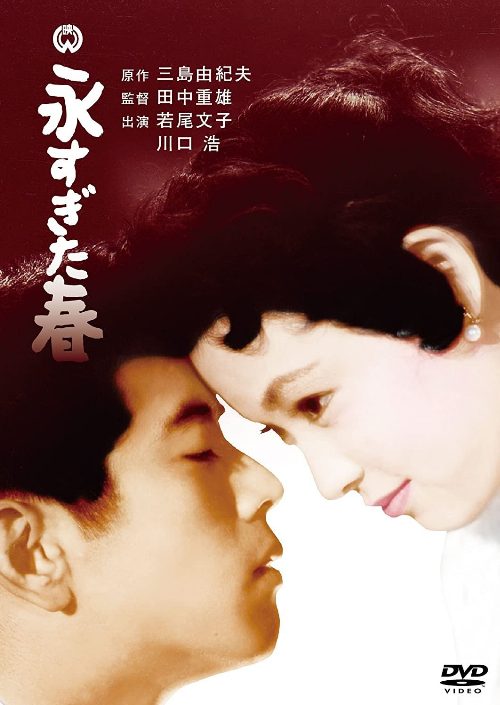
About The Betrothed
Adaptation of the Yukio Mishima novel.
Stepping into the mid-century landscape of Japanese cinema often feels like unearthing a time capsule of aesthetic precision and emotional restraint, and Shigeo Tanaka’s 1957 adaptation of The Betrothed stands as a compelling testament to this era. While global audiences frequently gravitate toward the more internationally recognized titans of the Golden Age, this particular drama captures a distinctively literary tension that mirrors the anxieties of a society caught between rigid traditionalism and the encroaching winds of modernization. By choosing to translate the prose of Yukio Mishima onto the screen, Tanaka engages with a narrative intensity that demands patience but rewards the viewer with a profound examination of duty and personal desire. The film operates within a tradition of character-driven storytelling that will resonate strongly with fans of contemporary international dramas who appreciate slow-burn narratives where silence often speaks louder than dialogue.
The brilliance of this production lies in its ability to anchor complex existential questions within the framework of a domestic conflict. For those familiar with the stylistic hallmarks of the period, the film offers a masterclass in blocking and composition, utilizing the frame to emphasize the growing distance between characters who are bound by societal expectations. The performances, led by Hiroshi Kawaguchi, are marked by a deliberate subtlety that avoids the histrionics often found in lesser dramas of the time. It is a work that prioritizes the psychological interiority of its subjects, making it an essential watch for cinephiles who seek to understand how the shifting cultural tides of postwar Japan were processed through the lens of romantic entanglement and family legacy.
While the film remains a relic of a bygone cinematic ecosystem, its thematic focus on the weight of commitments remains strikingly universal. Modern viewers who enjoy the layered, often melancholic storytelling found in recent acclaimed works from the Indian independent film circuit—where family dynamics and moral dilemmas are frequently explored with similar rigor—will find common ground here. Tanaka manages to elevate the source material into a visual experience that is as much about the environment as it is about the individuals moving through it. It is an invitation to witness a specific moment in Japanese creative history, one that balances the harsh realities of social obligation with the fragile, flickering hope for individual agency. This is a deliberate, atmospheric piece of filmmaking that stands as a quiet but firm reminder of why the literary adaptations of the fifties continue to exert such a powerful influence on world cinema today.