The Conspirator(1961)
About The Conspirator
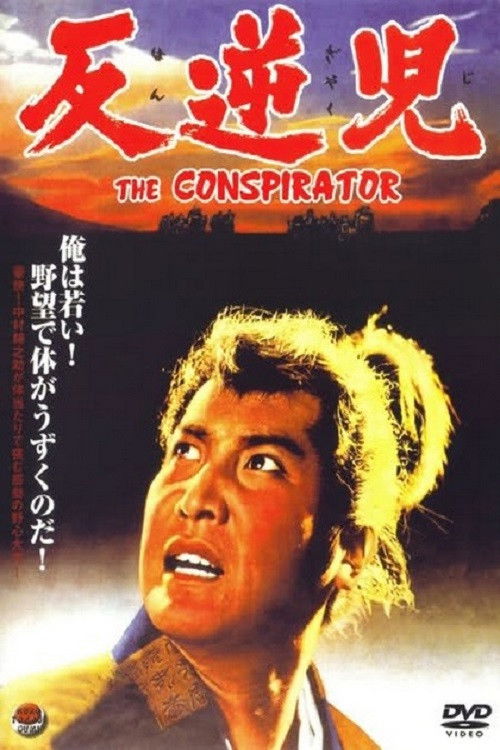
Young lord Saburo Nobuyasu struggles to find comfort in life. His arranged marriage to Tokuhime, daughter of one-time family enemy Oda Nobunaga, provides little happiness. His manipulative mother adds further complications through her constant interference and attempts at defeating the Nobunaga family.
The political landscape of sixteenth century Japan serves as the volatile backdrop for The Conspirator, a 1961 period drama that strips away the romanticism often associated with the samurai era to expose the suffocating weight of domestic duty. At its heart, the film examines the tragic intersection of personal desire and clan loyalty through the perspective of Saburo Nobuyasu, a young nobleman caught in a web of shifting alliances. While historical epics from this period frequently prioritize grand battlefield maneuvers, this production distinguishes itself by choosing the interior architecture of the household as its primary theater of conflict. By focusing on the tension between a husband and his wife, Tokuhime, the narrative highlights how geopolitical rivalries between powerful families were often fought within the private chambers of the elite, turning intimacy into a tactical liability.
For audiences familiar with the broader strokes of Japanese cinema, The Conspirator functions as a somber meditation on the cost of lineage. The presence of a meddling matriarch, who views the marriage as a weapon rather than a union, adds a layer of psychological friction that elevates the film beyond a standard period piece. This exploration of generational discord and the manipulation of offspring for political gain resonates with the themes of betrayal and family hierarchy that remain evergreen in global storytelling. The performances, particularly those portraying the stifled nobility, capture the nuance of a society where one’s duty to the house consistently outweighs individual agency. It is a haunting portrayal of how the weight of history can crush those tasked with continuing a legacy.
Viewers who appreciate slow-burn dramas that emphasize atmosphere and character study over spectacle will find much to admire here. The film serves as a compelling entry point for those interested in the post-war golden age of Japanese studios, showcasing a meticulous attention to period detail and emotional restraint. It is positioned as an essential watch for enthusiasts of historical tragedy who prefer cerebral explorations of power dynamics over action-oriented storytelling. By centering the story on the fragile domestic life of a young couple caught in the crossfire of warring factions, the film offers a perspective that feels timeless. Whether you are a dedicated follower of classic international cinema or simply someone who enjoys stories about the devastating consequences of unchecked ambition, this work offers a stark, thought-provoking look at the personal toll of feudal warfare.