About The Goldfish: Dreaming of the Sea
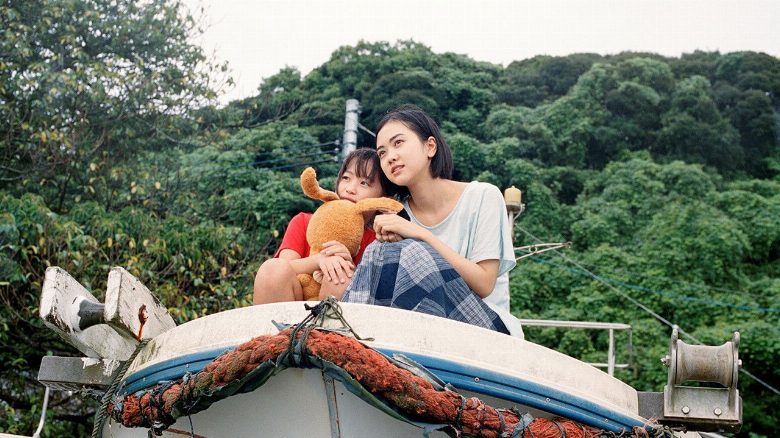
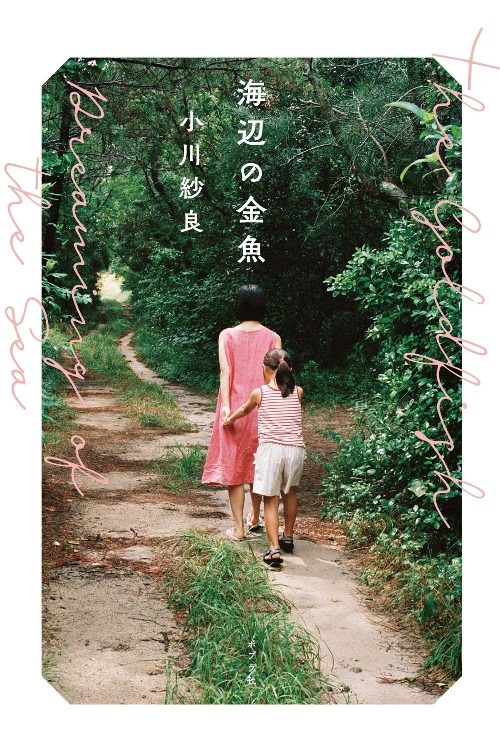
Hana, a high school girl raised in a foster home since her mother’s arrest ten years earlier, has grown into the home’s de facto oldest sister. When an 8-year-old girl arrives after suffering abuse at the hands of her mother, Hana takes her under her wing.
Japanese cinema has long excelled at navigating the quiet, often devastating complexities of youth navigating fractured domestic landscapes, and The Goldfish: Dreaming of the Sea continues this poignant tradition with remarkable emotional intelligence. The film centers on Hana, a teenager whose existence is defined by the walls of a foster facility and the heavy responsibility of being a surrogate caregiver to the younger residents. Her world shifts when a traumatized eight-year-old enters the fold, triggering a narrative that explores the fragility of familial bonds and the resilience required to survive systemic neglect. Unlike the high-octane spectacles currently dominating global box offices, this drama opts for a minimalist aesthetic that prioritizes the internal evolution of its characters over dramatic artifice.
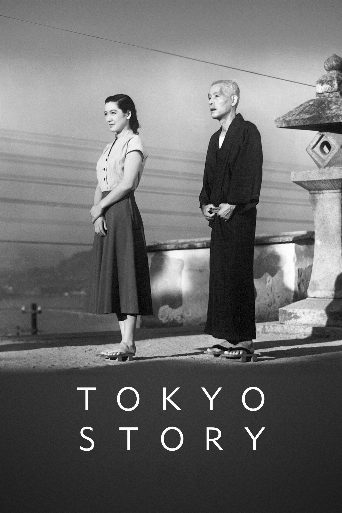
For followers of international cinema who appreciate the nuanced storytelling found in the works of directors like Hirokazu Kore-eda, this film serves as a compelling exploration of chosen family. It manages to address the darker realities of childhood trauma without losing its sense of hope or humanity. While the industry is often preoccupied with genre-heavy blockbusters, this project stands out as a character-driven piece that resonates deeply with the global appetite for authentic, human-centric narratives. The performances, particularly from the younger cast members, provide a raw authenticity that anchors the film, making the emotional stakes feel incredibly personal rather than cinematic or manufactured.
Viewers who enjoy slow-burn dramas that examine the psychological scars of abandonment will find much to admire here. It is an ideal watch for those who prefer films that linger on subtle gestures and the unspoken language of grief rather than overt exposition. By focusing on the bond between two displaced souls, the story transcends its specific Japanese setting to touch upon universal questions of identity and the search for security in an unstable world. For fans of the rising tide of independent films that bridge the gap between social commentary and intimate character study, this release is positioned as a thoughtful addition to the current landscape of world cinema. It captures a specific, fragile moment in time, offering a perspective on growth that is as haunting as it is ultimately tender, proving that even in the smallest stories, the depth of human feeling remains vast and profound.