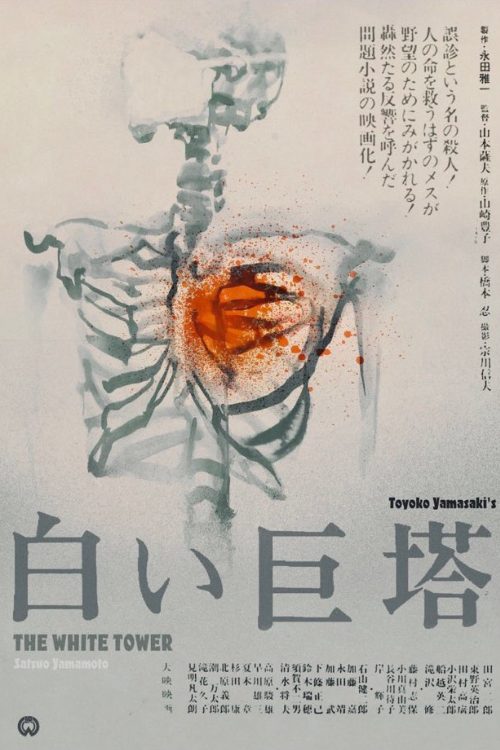
About The Great White Tower
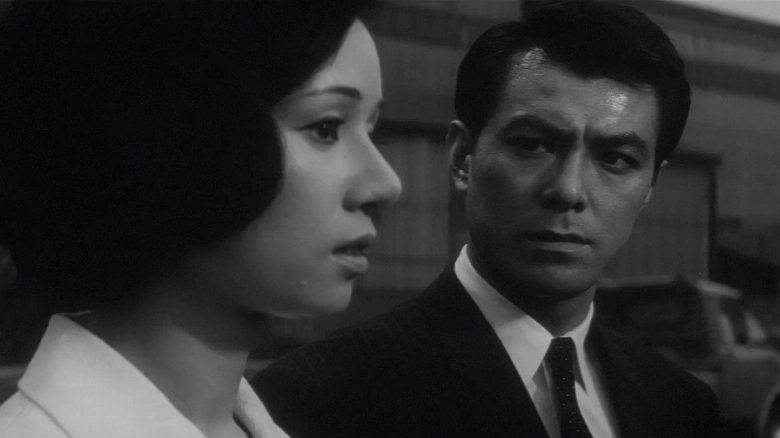
The story contrasts the life of two doctors, former classmates and now both assistant professors at Naniwa University Hospital in Osaka. The brilliant and ambitious surgeon Goro Zaizen stops at nothing to rise to a position of eminence and authority, while the friendly Shuji Satomi busies himself with his patients and research.
Satsuo Yamamoto crafts a searing examination of institutional rot in The Great White Tower, a landmark of mid-century Japanese cinema that feels strikingly relevant to modern viewers accustomed to high-stakes corporate and medical dramas. Set within the rigid hierarchy of a prestigious Osaka university, the narrative pits two opposing ideologies against one another through the trajectories of two assistant professors. While one man prioritizes surgical precision and ruthless career advancement to secure his legacy, his colleague remains tethered to the traditional ethics of healing and patient welfare. This clash serves as a microcosm for the broader societal tension between the cold, systemic pursuit of power and the quiet, often overlooked importance of human empathy.
For audiences accustomed to the intense emotional stakes found in contemporary Indian medical thrillers or political dramas, this film offers a fascinating comparative study. Much like the complex power struggles seen in recent Telugu or Hindi narratives that examine corruption within elite circles, The Great White Tower dissects how ambition can compromise moral integrity. The film does not merely function as a character study; it acts as a scathing indictment of the bureaucracy that often turns hospitals into arenas for ego rather than sanctuaries for health. The film succeeds by making the sterile environment of a university hospital feel as dangerous and volatile as any battlefield, grounding its philosophical inquiries in the tangible, high-pressure reality of surgical theater.
Cinema enthusiasts interested in the evolution of social realism will find much to admire in the measured pacing and sharp visual language employed by Yamamoto. By focusing on the internal mechanics of a professional elite, the director exposes the fragility of human conscience when faced with the allure of prestige. It is an essential viewing experience for those who appreciate character-driven storytelling where the antagonist is not a villain in the traditional sense, but a flawed individual shaped by an unforgiving environment. Fans of classic dramas that challenge the status quo will likely find this production deeply compelling, as it remains a haunting reminder of the ethical costs buried beneath the surface of success. Whether you are drawn to the historical nuances of Japanese filmmaking or simply appreciate a masterclass in tension, this film stands as a monumental achievement that continues to resonate with anyone who has navigated the demanding corridors of a large organization.