The Pass: Last Days of the Samurai(2022)
About The Pass: Last Days of the Samurai
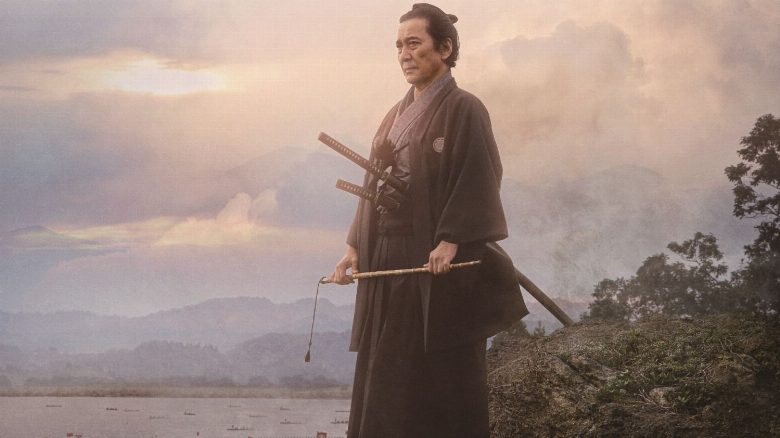
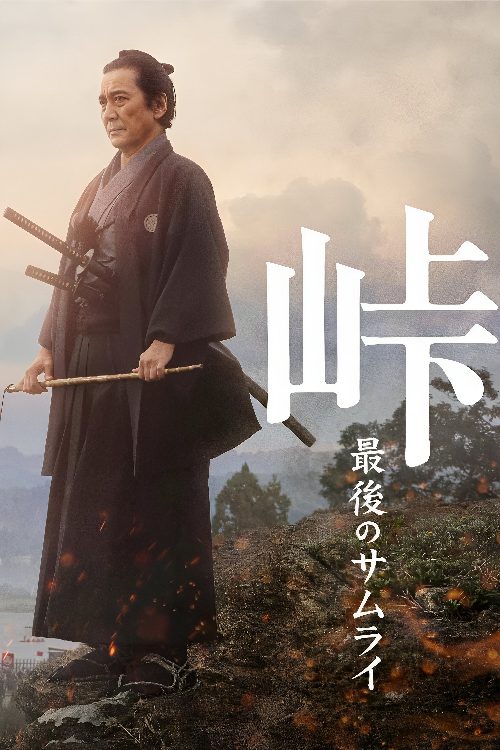
In the turbulent last days of the Edo period, Kawai Tsugunosuke, a Japanese samurai serving the Makino clan of Nagaoka, dreamt of independence from the restraints of vassalship. Despite his progressive views and his desire for his estate to remain neutral during the Boshin Civil War, he was bound by loyalty and duty to the clan and was compelled to choose sides.
Takashi Koizumi invites audiences into a poignant meditation on the fragility of peace during the final gasps of the shogunate, anchoring his narrative in the philosophical dilemmas faced by a man caught between his convictions and his ancestral obligations. As the Boshin War erupts, the film steers away from the typical bombast of period action cinema, choosing instead to focus on the intricate internal struggles of Kawai Tsugunosuke. While the landscape of Japanese historical drama is often crowded with tales of glorious combat, this production prioritizes the weight of diplomacy and the tragic inevitability of regional conflict. It serves as a sophisticated character study, positioning the protagonist as a forward-thinking administrator who desperately seeks a path of non-alignment, only to find that history rarely allows for the luxury of neutrality when empires are shifting beneath one's feet.
The film distinguishes itself through a meticulous commitment to atmospheric storytelling, echoing the measured pacing found in classic jidaigeki while maintaining a modern sensibility that emphasizes the human cost of political upheaval. For viewers who follow the global trajectory of Japanese cinema, the presence of veteran performers like Koji Yakusho and Tatsuya Nakadai offers an immediate sense of gravity and prestige. Their performances lend an air of authenticity to the proceedings, grounding the script in a reality that feels both distant and strikingly relevant to contemporary discussions about sovereignty and the burdens of leadership. It is an essential watch for enthusiasts of historical epics who value thematic depth and character nuance over pure spectacle, mirroring the contemplative style seen in recent high-caliber dramas across Asian film industries.
By centering the narrative on the Nagaoka domain, the director effectively highlights a regional perspective that is frequently overshadowed by the broader national conflict between imperial forces and the shogunate. This choice provides a refreshing lens for audiences accustomed to seeing history through the eyes of major power brokers, as it humanizes the struggle of smaller territories trying to preserve their autonomy. Fans of the genre will likely appreciate how the production navigates the complexities of the Meiji Restoration, avoiding easy moral binaries in favor of a nuanced look at the choices men make when their world is coming to an end. This is a sophisticated entry in the historical canon, designed for those who enjoy being challenged by the ethical dilemmas of the past and the enduring resonance of personal integrity in the face of insurmountable odds.