About The Portrait
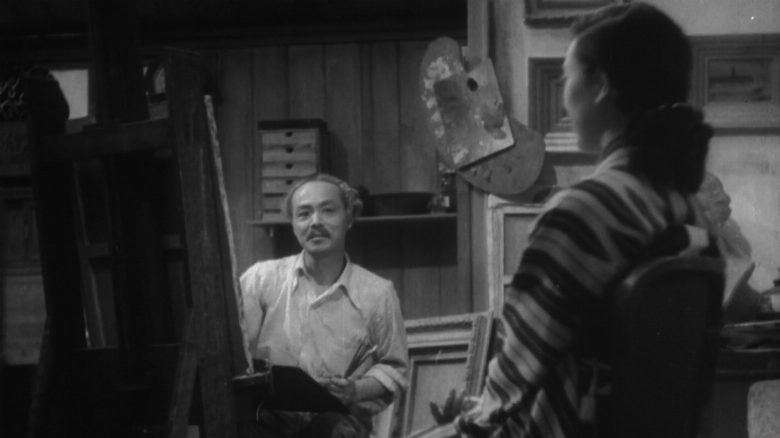
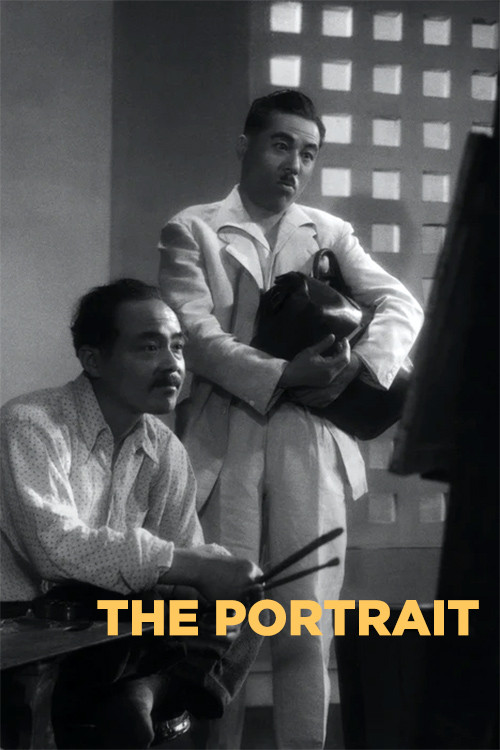
The mistress of a crook real estate broker comes to terms with her soulless existence after an artist paints her portrait.
Cinema from the immediate post-war era in Japan carries a distinct weight, capturing a society caught between the erosion of old traditions and the uncertain arrival of modernity. Keisuke Kinoshita, a director revered for his ability to balance humanism with sharp social critique, brings a delicate but piercing gaze to The Portrait. Rather than focusing on the grand political shifts of 1948, the film turns its lens toward the claustrophobic reality of a woman trapped in an exploitative relationship. By positioning a creative act of observation as the catalyst for self-reflection, the narrative explores how art can strip away the layers of denial that often keep people tethered to morally bankrupt situations.
The story centers on a woman tethered to a predatory real estate developer, a character dynamic that serves as a subtle metaphor for the power imbalances prevalent in the aftermath of the conflict. The introduction of an artist tasked with capturing her likeness acts as an intrusion of truth into an otherwise hollow existence. For viewers who appreciate the nuanced character studies found in mid-century Japanese dramas, this film offers a fascinating look at the psychological emancipation of its protagonist. It stands out from Kinoshita’s later, more expansive works by maintaining a tight, intimate focus, ensuring that every interaction between the mistress and the artist feels charged with hidden meaning. The film avoids melodrama, opting instead for a quiet, observational style that forces the audience to confront the emptiness of the world the characters inhabit.
Audiences with an interest in the evolution of Eastern storytelling will find this piece particularly compelling for its stark examination of agency. While contemporary Indian cinema often highlights themes of societal duty and familial expectation, this Japanese classic mirrors those concerns through a more singular, existential lens. The film is a must-watch for cinephiles who enjoy period pieces that prioritize emotional interiority over plot-driven thrills. By choosing to highlight the transformative power of a single work of art, Kinoshita crafts a timeless inquiry into what it means to truly be seen. Whether you are a dedicated follower of the Golden Age of Japanese filmmaking or someone simply looking for a profound exploration of personal liberation, this work remains a significant, if often overlooked, chapter in the history of international drama.