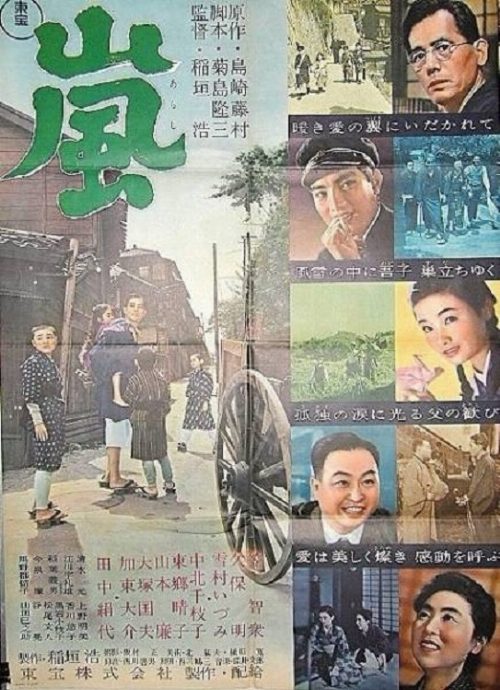
The Storm(1956)
About The Storm
A widowed high-school teacher tries to raise his four children alone.
Few cinematic portraits capture the quiet dignity of domestic endurance quite like the 1956 Japanese drama The Storm. By centering its narrative on a widowed schoolteacher tasked with the singular responsibility of raising four children, the film bypasses the melodramatic impulses often associated with mid-century family stories. Instead, it offers a measured, deeply empathetic look at the intersection of professional duty and parental sacrifice. For audiences accustomed to the high-octane emotional shifts found in contemporary Telugu or Hindi family sagas, this film provides a refreshing, grounded alternative that prioritizes atmosphere and character internalities over grand spectacles. It belongs to a golden era of Japanese filmmaking where the struggles of the common individual were elevated to the status of profound art, making it a vital watch for those who appreciate the neorealist sensibilities that have influenced generations of filmmakers across Asia.
The distinctiveness of The Storm lies in its stark honesty regarding the hardships of the postwar Japanese middle class. While Indian cinema has long celebrated the trope of the resilient patriarch, this film approaches the theme with a restraint that feels strikingly modern. The performance of Minosuke Yamada anchors the production, providing a masterclass in subtlety that conveys the weight of his character’s isolation without relying on overt displays of grief. It is a film that demands patience from its viewers, rewarding them with an intimate observation of family dynamics that remain universally relevant. Because it focuses on the internal lives of its protagonists rather than external crises, it bridges the gap between different cultural landscapes, proving that the language of parental devotion is truly global.
Viewers who gravitate toward the works of directors like Hirokazu Kore-eda or those who enjoy the more contemplative side of Malayalam cinema will find much to admire here. The Storm is essentially a study in resilience, positioned as a poignant reminder of the sacrifices made in the name of kinship. It avoids the easy answers often provided by modern scripts, opting instead to linger on the beauty found in mundane routines and the quiet persistence of love. Whether you are a dedicated student of international film history or simply a fan of character-driven dramas that challenge the heart, this classic serves as an essential entry point into the humanistic traditions of Japan. It is not merely a period piece but a timeless exploration of what it means to hold a family together against the encroaching pressures of a changing world.