About Three Sisters
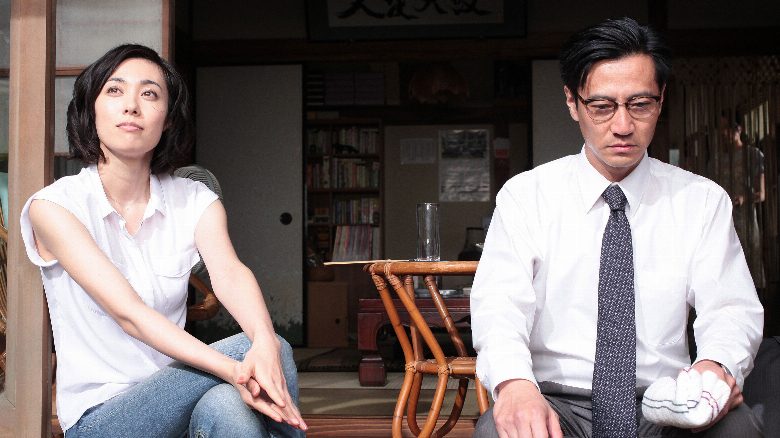
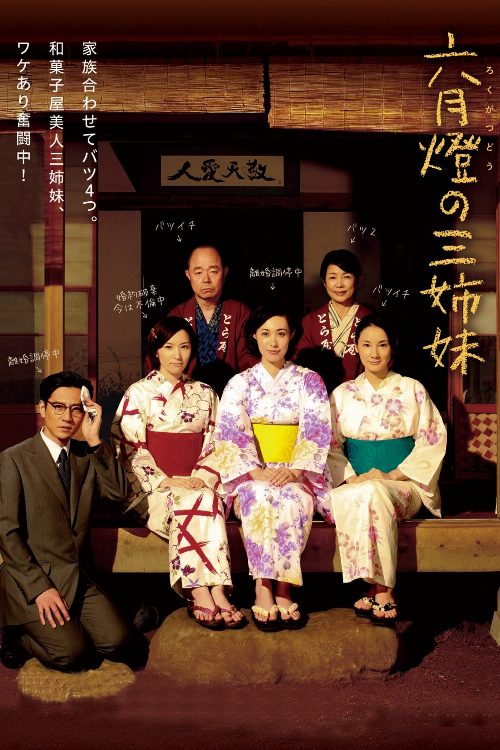
As a family-run confectionery shop in Kagoshima struggles to stay in business with increasing competition from local supermarkets, the family's three daughters experience various troubles in their private lives.
The gentle hum of tradition facing the relentless march of modernity provides the emotional heartbeat of Three Sisters, a poignant look at the quiet sacrifices required to keep a legacy alive. Set against the backdrop of Kagoshima, the film captures the delicate tension between a small, family-run confectionery shop and the encroaching shadow of convenience culture. While it functions as a character-driven drama, director Kiyoshi Sasabe masterfully weaves in sharp observations about the shifting economic landscape of contemporary Japan. The story centers on a trio of siblings whose personal tribulations mirror the instability of their ancestral business, grounding the narrative in a relatable realism that avoids the melodramatic pitfalls often found in family sagas.
For enthusiasts of regional cinema, particularly those who appreciate the nuanced storytelling typical of Japanese domestic dramas, this film offers a refreshing departure from the high-octane blockbusters currently dominating global markets. It shares a thematic kinship with the grounded, character-focused storytelling seen in the best of Malayalam or Tamil family dramas, where the home serves as the primary stage for life’s most significant shifts. Sasabe, known for his ability to extract profound vulnerability from his performers, guides Kazue Fukiishi, Yoh Yoshida, and Eri Tokunaga through a performance that emphasizes the unspoken bonds of sisterhood. The chemistry between the leads is subtle yet electric, turning what could have been a simple business struggle into a layered exploration of duty, romance, and the difficulty of choosing between one’s own happiness and the preservation of a family name.
Viewers who enjoy films that prioritize atmosphere and internal growth over spectacle will find much to admire here. The cinematography captures the warmth of the sweet shop alongside the cold, clinical aesthetic of modern retail, visually reinforcing the central conflict of the story. It is an ideal pick for anyone who appreciates a slow-burn narrative that trusts its audience to navigate the complexities of human relationships without the need for constant exposition. While the premise may sound modest, the execution elevates the material into a sophisticated meditation on how families endure when their world begins to change around them. By focusing on the intimate details of everyday existence, the film manages to resonate on a universal level, proving that even the most localized stories can hold profound meaning for a global audience looking for empathy and authentic human connection on screen.