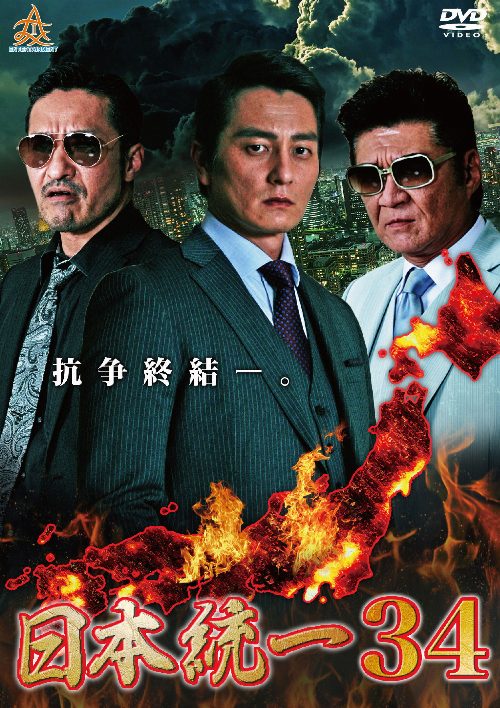
About Unification of Japan 34
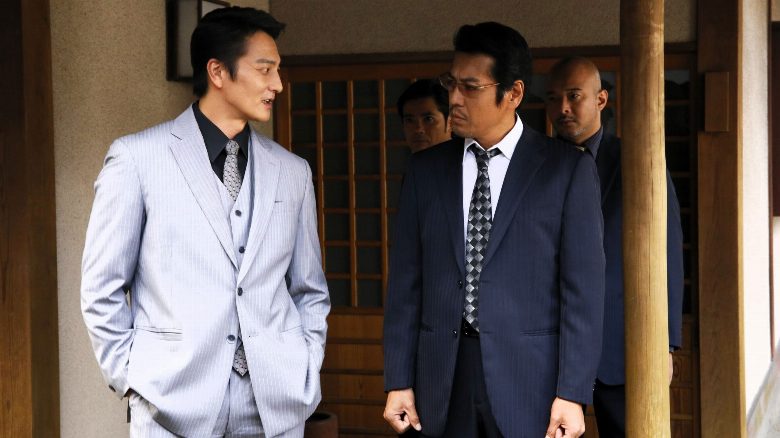
Renji Himuro is cornered after the president Yuichi Kawatani and his assistant Wakagashira Yuto Tamura are arrested in the Marukami-kai's plan to destroy the Kyowa-kai. In order to overthrow the Sekine Cabinet, which has close ties with the Marukami-kai, Himuro supports his opponent, former Secretary-General Ishida, in the next presidential election, and tries to stop the Marukami-kai's plot.
The gritty landscape of Japanese yakuza cinema finds a relentless continuation in the long running Unification of Japan saga, a series that has carved out a dedicated niche for fans of intricate underworld power struggles. As the narrative reaches its thirty fourth installment, the film leans heavily into the sophisticated political machinations that have defined the later chapters of this expansive franchise. Directed by Hiroyuki Tsuji, the movie abandons the typical singular combat focus in favor of a cerebral high stakes chess match. By placing the central characters in a precarious position following the detention of their leadership, the story forces its protagonists to navigate a treacherous path through legislative corridors and backroom deals rather than relying solely on traditional brute force. This shift highlights a mature evolution in the series, proving that the tension of a compromised cabinet can be just as gripping as a street level confrontation.
For audiences accustomed to the high intensity dramas currently dominating the Indian regional landscapes, such as the political thrillers emerging from the Telugu or Tamil industries, this film offers a familiar yet distinct aesthetic. While it shares the DNA of complex loyalty and institutional corruption often explored in South Indian gangster sagas, its execution remains quintessentially Japanese in its stoicism and calculated pacing. Yasukaze Motomiya continues to anchor the production with his hardened performance, bringing a weary gravitas to a man forced to balance survival with the pursuit of a larger strategic objective. The film serves as a testament to the endurance of the direct to video v-cinema model in Japan, which functions much like the parallel cinema movements that cater to specific, deeply engaged demographics across India.
Viewers who appreciate slow burn narratives where every dialogue exchange carries the weight of a potential betrayal will find much to admire here. It is not designed for those seeking quick thrills or simplistic revenge plots, but rather for the dedicated follower of organized crime sagas who enjoys watching characters operate under extreme duress. By linking the survival of a criminal organization to the outcome of a national presidential election, the screenplay elevates the stakes to a level that feels both grand and claustrophobic. Whether one is a newcomer to the series or a long time follower, this entry functions as a compelling case study in how to maintain momentum across dozens of chapters by consistently raising the ideological hurdles for its protagonists. It remains a stark reminder that in the world of professional crime, the most dangerous weapon is often a well placed political alliance.